Digestive Health for Cats

Digestive Issues, Gut Care & Food

Digestive Health for Cats

Digestive Issues, Gut Care & Food

What are cat digestive issues?


A digestive (or gastrointestinal) disorder is any condition that prevents your cat from properly digesting food, or alters the rate at which food moves through their system. And cats' gut health is far more sensitive than most owners realise. Sudden diet changes, stress, ingestion of foreign objects, or even small shifts in daily routine can all disrupt digestive health for cats. Left unaddressed, what starts as mild vomiting or loose stools can progress into chronic conditions that affect your cat's overall wellbeing.


That's why understanding the signs of feline digestive issues matters. Frequent vomiting, poor appetite, and changes in litter box habits are your cat's way of telling you something is wrong. Knowing what to look for and what to do means you can act early, whether that's adjusting to a cat food for digestive health, reducing stressors at home, or seeking veterinary care before symptoms worsen.

a brown cat

What are the signs of digestive distress?

The most common signs of cat stomach problems and digestive disorders are soft stools or diarrhoea. You may also notice some or all of the following signs in your cat.

check icon
Vomiting
check icon
Bloating
check icon
Regurgitation
check icon
Abnormal stools (such as blood, mucus, or foul odor)
check icon
Loss of appetite or difficulty eating
check icon
Weakness, lethargy, significant decrease in activity
check icon
Weight loss or stiffness
Chronic gastrointestinal diseases in cats often develop gradually, causing subtle weakness that may go unnoticed. Owners should monitor closely and consult a veterinarian promptly for evaluation if concerns arise.

Digestive upsets can happen for a variety of reasons, and all of them can make your cat feel under the weather. Remember, that diarrhoea can be difficult to spot in cats that toilet outside. If you suspect your cat is having issues it’s worth providing a litter tray so that you can see what’s going on. Below are some of the more common digestive problems we see in cats.

First, if you suspect your cat is suffering from a digestive disorder, talk to your vet about treatments that may be able to help. You can further help your cat by helping reduce the amount of stress triggers in their environment with some of these suggestions.

Woman in orange sweater holding a pet cat Woman in orange sweater holding a pet cat

Stick with a routine

Changes to your furry friend’s environment or routine can lead to GI upset. Providing your cat with a calm, safe environment – as well as some regular playtime – can help your cat’s anxiety.


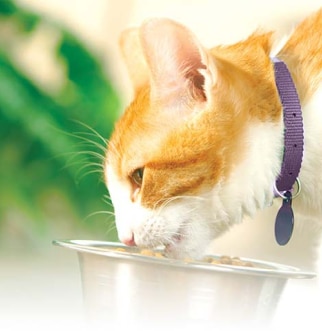
Cat eating HIll's cat food from a bowl Cat eating HIll's cat food from a bowl

Consider nutritional cat food

Foods made with highly digestible ingredients can be gentle on upset tummies. Ask your veterinarian about switching your cat’s food and how to do it without upsetting your cat’s stomach any further.

Frequently Asked Questions

Identify the trigger first . Common causes include sudden diet changes, food intolerance, infection, or stress. For mild symptoms, switch to measured meals, choose an easily digestible cat food for digestive issues, and transition gradually over 7 to 10 days. Probiotics under veterinary guidance can help restore gut balance. If symptoms persist beyond 24 hours, or your cat shows lethargy, bloody stools, or dehydration, seek veterinary care immediately.


Occasional vomiting, such as hairballs, is normal. However, vomiting more than 2 to 3 times a day, or repeatedly over several days, warrants a vet visit. Seek immediate care if vomit contains blood or bile, is accompanied by diarrhoea or refusal to eat, or if your cat appears weak, cannot stand, or has a visibly distended abdomen. These are signs of a medical emergency and should not be left for observation.

Loss of appetite in cats can range from minor to serious. Common causes include picky eating, switching food too quickly, oral pain, or underlying conditions affecting digestive health for cats such as gastroenteritis or kidney disease. For occasional, mild appetite dips in an otherwise normal cat, try gently warming food to boost its aroma. If your cat refuses to eat for more than 24 to 48 hours, or shows vomiting, lethargy, or weight loss alongside poor appetite, consult a vet promptly to rule out underlying illness.

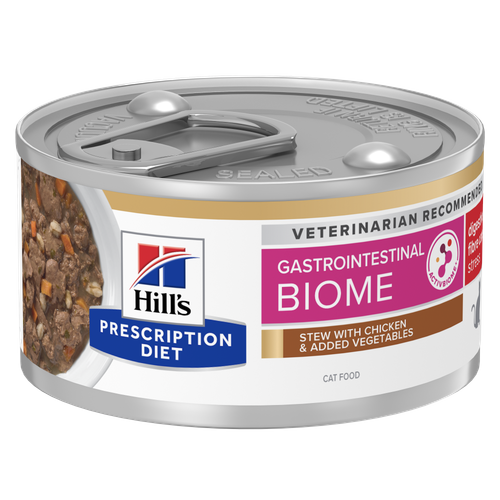
For cats with sensitive stomachs, choose highly digestible prescription diets with single or limited protein sources to minimise adverse food reactions. Hill's Digestive Care range is a commonly recommended option, specifically formulated to support gut health for cats and improve nutrient absorption, making it suitable for long-term feeding. As always, transition to any new food gradually over 7 to 10 days to give your cat's digestive system time to adjust.