Joint Issues in Dogs

Stiff Joints signs, Causes & Best Food

Joint Issues in Dogs

Stiff Joints signs, Causes & Best Food

Does your dog have any joint issues?


Joint problems in dogs often begin subtly, with signs like stiffness or slower movement that may be mistaken for normal aging. In many cases, these changes are linked to the gradual degeneration of articular cartilage caused by wear and tear over time. As mobility decreases and discomfort increases, a dog’s ability to stay active and enjoy daily activities can be significantly affected.


Studies show that approximately 25% of adult dogs develop osteoarthritis, with senior dogs at even greater risk. While joint stiffness and pain cannot be fully cured, early awareness and proper management can make a meaningful difference. We will explore the causes and symptoms of joint stiffness in dogs, along with dog food and care strategies for joint health.

A dog’s joints gradually become stiff when the articular cartilage wears down and loses its ability to repair itself effectively. Here are six of the most common causes:
number one

Age

As dogs get older, joint cartilage will progressively wear away. Although it is much more common in senior dogs, younger dogs can still suffer from stiff joints, too.

number two

Breed

Certain breeds are more prone to developing stiff joints. “At-risk” dog breeds include Labrador Retrievers, Golden Retrievers, German Shepherds and Rottweilers.

number three

Excess weight

Excess weight puts excess stress on your dog’s joints and cartilage, and increases the risk of stiff joints.

number four

Accidents or trauma

Trauma to cartilage may lead to stiff joints later in life, and adversely affect mobility.

number five

Congenital or hereditary defects

Some breeds may have congenital or hereditary conditions that make them more prone to developing stiff joints later in life.

Dog looking lovingly at owner
What are the symptoms of stiff joints?

Stiff joints in dogs are mainly characterized by slow movements and a stiff gait, which become more pronounced after rest. If you notice any of the following warning signs of joint pain in your dog, you should consider scheduling a consultation with your veterinarian.

check icon
Stiffness, limping, or bunny hopping
check icon
Lagging behind during walks or tiring easily
check icon
Whimpering, growling or snapping when you touch their joints
check icon
Frequent licking of specific joint areas
check icon
Hesitation to go up and down stairs
check icon
Difficulty getting up from lying down
check icon
Decreased mobility, preferring to lie down rather than sit or stand
check icon
Swelling of joints or muscle atrophy
Border Collie gets scritches

Exercise for joint health

Gentle exercise is extremely good for your dog. Not only will it help keep their joints moving freely, but it will help them stay at a healthy weight and keep excess stress off their joints, which are important to their overall joint health.


The key is to control the amount of exercise, so your dog does not overexert their joints. Given an open space, your dog will usually happily run and run until they can’t any more, due to energy or the way their joints feel, and they may pay the price in terms of pain and limping. But by allowing a little bit of running and then putting them back on their leash for a while and taking a gentle stroll, you can control the exercise and let your dog get enough of a workout to burn off energy and keep joints mobile without causing damage.


Always remember, if you’re worried about your dog getting more exercise than is beneficial, your veterinarian will be happy to advise you of a sensible canine exercise regime.

What is the right dog food for joint health?


The key to canine joint health is providing nutrients that help reduce inflammation and support cartilage strength. Ingredients such as Omega‑3 fatty acids, glucosamine, and chondroitin are widely recognized for their benefits in maintaining joint function and mobility. Because diet plays an important role in joint health, feeding a balanced, targeted formula is essential to keeping your dog active and comfortable.


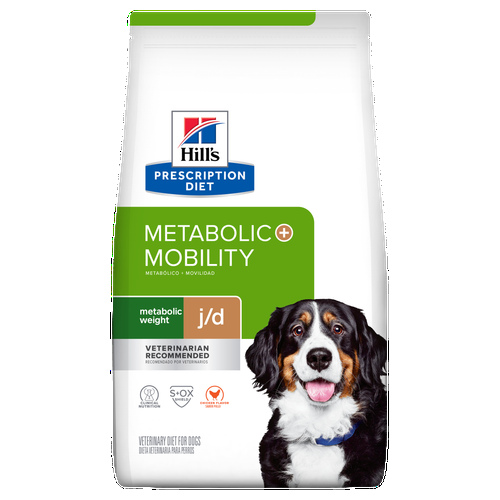
Hill’s Joint Care dog food is specially formulated to support joint health and mobility. Consult your veterinarian to determine the most appropriate formula for your dog’s specific needs.

Frequently asked questions

The most effective options for dogs with stiff joints include glucosamine and chondroitin, which help repair and maintain articular cartilage structure, and omega-3 fatty acids (EPA and DHA) from fish oil, which reduce joint inflammation. A vet-recommended dog food for joint health that already contains good ingredients is often the most practical and consistent way to deliver daily joint support. Always consult your vet before starting any supplement to confirm the right formula and dosage for your dog.


Common causes include osteoarthritis, hip dysplasia, and intervertebral disc disease that compresses the spinal cord. Senior dogs may also develop degenerative myelopathy, which gradually affects coordination in the hind limbs. In addition, cruciate ligament rupture or endocrine disorders such as Cushing’s disease can lead to sudden hind leg weakness. Because the causes can be complex, seek veterinary care early for proper imaging and diagnosis to rule out neurological or orthopedic conditions.

Gentle, low-impact exercise such as short walks can help loosen stiff joints and improve mobility. Providing a supportive, well-cushioned bed and maintaining a healthy weight also reduce strain on the joints. In some cases, a joint-support diet or veterinarian-recommended supplements and medications may be needed for long-term management.

Early signs of joint pain in dogs are often subtle, such as slow rising, stiffness after exercise, or occasional limping, which may be mistaken for laziness. In the middle stage, dogs may show obvious limping, reluctance to climb stairs or jump, and pronounced morning stiffness. In advanced stages, you may notice muscle loss in the affected limb, frequent licking of joints, growling or whining when touched, and a significant decrease in activity. If these signs persist for more than a few days, consult a veterinarian promptly for diagnosis.

Degenerative joint disease, or osteoarthritis, is common in older dogs and can be managed through nutrition, physical therapy, lifestyle adjustments, and pain control. A veterinarian can recommend a suitable joint-care diet and medications if needed. Gentle walks or hydrotherapy help maintain mobility, while non-slip mats, ramps, and a supportive bed improve comfort at home. Seek veterinary care early if symptoms worsen.