
Weight management for dogs
Symptoms, Health Risks & the Right Food to Help
Weight management for dogs
Symptoms, Health Risks & the Right Food to Help
Is your dog overweight? Don’t take it lightly.
Many of us don’t realise that our dog is overweight because it often happens gradually over time. Even though it’s happening right in front of you, a few ounces here and there can add up to some serious health issues. Being as little as 10% overweight can greatly increase the risks of your dog developing serious health conditions.
As owners, don't take this lightly! A round, chubby body may look cute, but as owners, we have a responsibility to provide our dogs with a healthy and long life. Learn about the symptoms of overweight dogs, how to determine if your dog is overweight, and how to regain a healthy physique through the right food and exercise for overweight dogs.
Your dog may look just fine to you, but the ideal weight varies by size and breed. Your veterinarian will be able to tell you if your dog is overweight. Being overweight in dogs is usually accompanied by changes in body shape, behavior, and physical condition. Observing these signs can help you determine if your dog needs to lose weight:
Overweight signs include:

Overweight signs include:
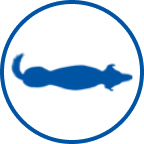
Signs of Underweight:
The ribs, spine and hip bones are visible from a distance, and there is no discernible body fat.
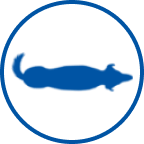
Signs of Healthy Weight:
The ribs can be easily felt without excess fat, and you can see the waist behind the ribs from above. Abdominal tuck is present.
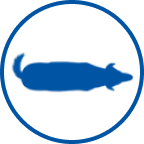
Signs of Overweight:
You can’t feel ribs because they are covered in fat. Large fat deposits are over the neck, chest, spine and base of tail. Both waist and abdominal tuck are absent.
Still not sure? Check your dog's weight now!
Take our L.O.V.E. test to find out. You’ll even receive a personalized weight report for your pet to share with your vet.
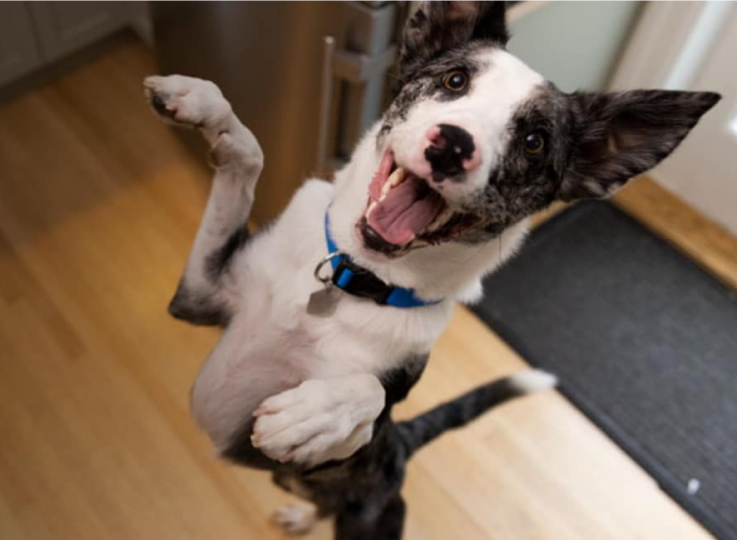
What health risks do overweight dogs face?
"Weight gain is the result of an increase in body fat. This is usually caused by eating too much, especially when combined with a lack of exercise. But there can be other contributing factors, too. "

Age
Older dogs are often less active and require fewer calories, which makes nutrition formulated for their age vital to their weight and overall health.

Breed
Different dog breeds can have different metabolisms, which means some breeds are more likely to become overweight.
Neutering / Spaying
Clinical studies have shown that the energy requirements of neutered dogs are lower, and they require fewer calories.

Medical Problems
Very occasionally, weight gain is associated with a medical disorder that may require specific treatment.

Overfeeding
Consuming more calories than necessary can contribute to weight gain. This can be due to unlimited or inconsistent portions of food.

Feeding Habits
Feeding table scraps and “people food,” or too many treats, can lead to obesity. The calories are far higher than the nutrients required by dogs, and can easily turn into fat.
"Weight gain is the result of an increase in body fat. This is usually caused by eating too much, especially when combined with a lack of exercise. But there can be other contributing factors, too. "
Age
Older dogs are often less active and require fewer calories, which makes nutrition formulated for their age vital to their weight and overall health.
Breed
Different dog breeds can have different metabolisms, which means some breeds are more likely to become overweight.
Neutering / Spaying
Clinical studies have shown that the energy requirements of neutered dogs are lower, and they require fewer calories.
Medical Problems
Very occasionally, weight gain is associated with a medical disorder that may require specific treatment.
Overfeeding
Consuming more calories than necessary can contribute to weight gain. This can be due to unlimited or inconsistent portions of food.
Feeding Habits
Feeding table scraps and “people food,” or too many treats, can lead to obesity. The calories are far higher than the nutrients required by dogs, and can easily turn into fat.
The key to helping overweight dogs lose weight is proper calorie control and regular exercise while maintaining a balanced diet. Most adult dogs need about 30–60 minutes of daily exercise, depending on their breed, size, age, and health. Consult your veterinarian before starting a weight loss plan. Here are some exercises you can do with your dog:
- Toys and Games
- Walking or Jogging
- Swimming
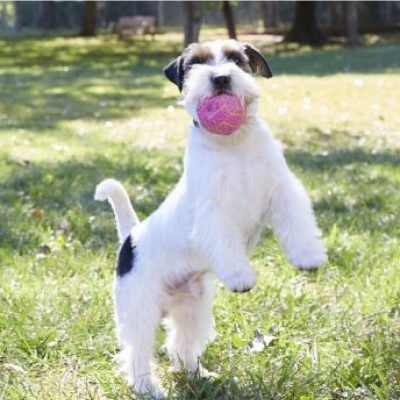
Toys and games
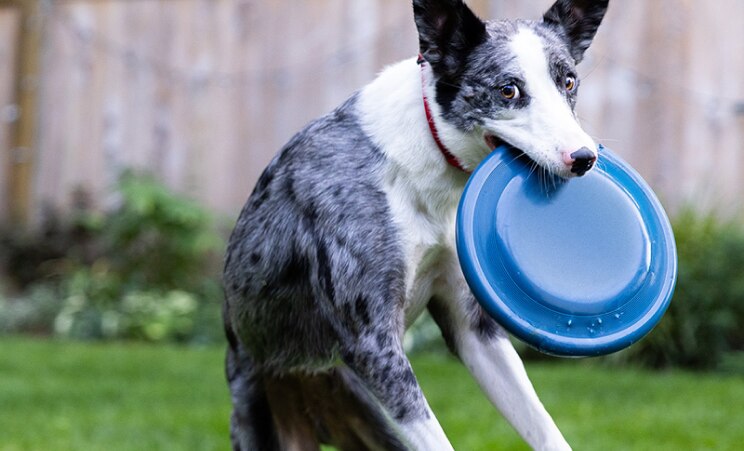
Who says exercise has to be a hassle? Your dog can also get a dose of exercise by playing a quick game of fetch or tug-of-war. If you want to mix things up, try building an obstacle course or teaching them a new trick.
Interactive games not only help burn calories but also mimic natural hunting instincts, stimulating your dog’s mind and reducing boredom‑related overeating. Studies suggest that combining mental stimulation with physical activity is more effective in helping overweight dogs achieve and maintain a healthy weight.
Walking or jogging
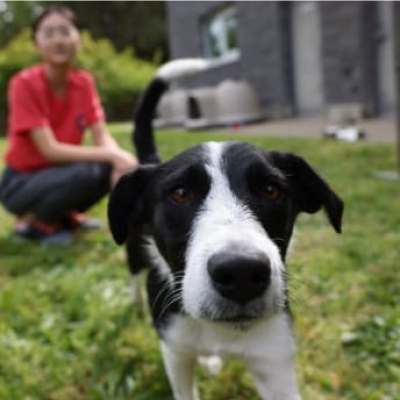
Even a casual walk through nature every day can help your dog burn calories and stimulate their senses. Mix in some jogging or running to increase your pet’s heart rate.
Aerobic exercise helps boost a dog’s metabolism and improve insulin sensitivity, which is particularly beneficial in preventing obesity‑related prediabetes. Exercise intensity should be increased gradually to avoid placing excessive strain on the joints and cardiovascular system of overweight dogs.
Swimming
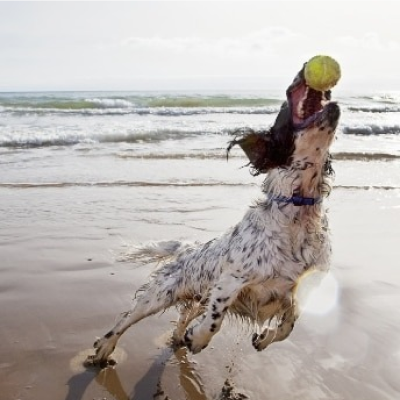
Taking a swim is a great low-impact exercise for humans and dogs alike, making it a great option for older pets. Visit the local beach or lake to let your dog get wet and wild. The buoyancy of water significantly reduces joint stress, making it an ideal exercise option for overweight dogs with osteoarthritis or hip dysplasia.
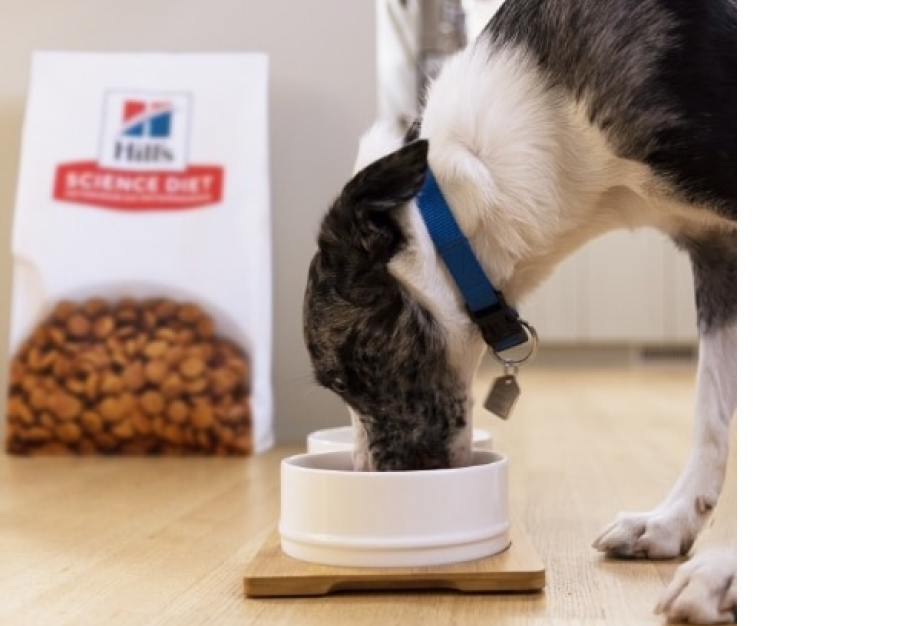
Choosing weight management food for dogs
Dietary adjustment is the foundation of successful weight loss in dogs. Weight-loss formulas are typically lower in calories and higher in fiber to help control appetite while keeping dogs feeling full. Consult your veterinarian to select the right formula based on your cat’s age, breed, and health, and follow portion guidelines carefully.
Hill’s Weight Management food for dogs are specially designed for overweight dogs and are commonly recommended by veterinarians. Since fat cells accumulate once a cat becomes overweight, early and consistent management leads to better results. An effective plan includes a suitable weight-loss diet, regular exercise, routine weigh-ins, and ongoing veterinary monitoring.
Recommended food for overweight dogs

Adult Light Chicken Meal & Barley Recipe Dog Food
Low calories for less active dogs

Metabolic Weight + j/d Vegetable & Tuna Stew Dog Food
Clinically tested to improve mobility in as little as 3 weeks and support weight loss
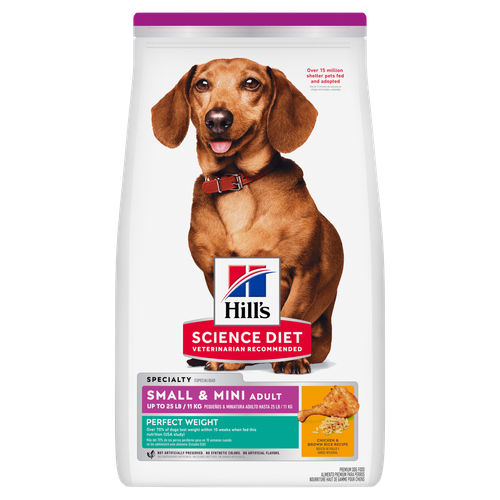
Adult Perfect Weight Small & Mini Chicken & Brown Rice Recipe Dog Food
Over 70% of dogs lost weight within 10 weeks when fed this nutrition (USA Study)

Adult Perfect Weight Chicken & Brown Rice Recipe Dog Food
Over 70% of dogs lost weight within 10 weeks when fed this nutrition (USA Study)
Related articles
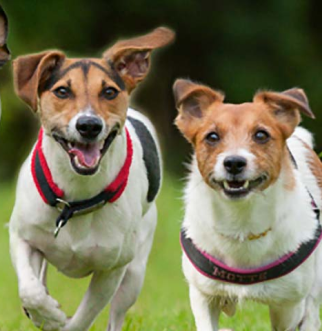
How to Handle Dogs Who are Picky Eaters
You feed tasty and nutritious dog food, yet your dog only sniffs and licks at it. It’s time for the next meal, but the previous meal still isn’t finished. You might have a finicky dog!
Things to Keep in Mind When Feeding Your Puppy
Learn how much to feed your new puppy, how to handle a pup that's a picky eater, and whether wet or dry dog food is best for his needs.
Human Foods That Are Dangerous for Your Dog
Read to learn about 5 human foods that are toxic to dogs. Learn their effects on a dog's health and what to do if they accidentally eat one of these foods.

Helping Your Puppy Behave While Eating
Learn how to help your puppy learn good behaviors by starting with proper table manners. Follow these helpful feeding tips.
Put your overweight dog on the road to recovery
If your dog is already having trouble with weight problems, there are plenty of things you can do to improve their condition.