Digestive Issue Support Digestive Health for Dogs

Symptoms of Digestive Disorder & Digestive Care

Digestive Issue Support Digestive Health for Dogs

Symptoms of Digestive Disorder & Digestive Care

What are dog digestive issues?


Digestive disorders is any health situation that prevents your dog from properly digesting food or alters the rate that food passes through their digestive tract. Symptoms can be range from mild bloating and discomfort to vomiting and diarrhea. A dog’s digestive system is often more fragile than we realize. Accidental ingestion, sudden diet changes, food sensitivity, or chronic enteropathy can all disrupt normal digestion. 


In many cases, dog digestive issues develop gradually, and by the time symptoms become noticeable, the issue may already be ongoing. If left untreated, these digestive issues may progress into more serious health problems. Thus, understanding the early warning signs and practicing proper gut care are essential for maintaining strong digestive health for dogs. If you notice persistent signs of digestive distress, consult your veterinarian promptly and adjust nutrition with digestive health dog food.

A black pet dog

What are the signs of digestive distress?

Some signs of your dog’s digestive problems are easy (and unpleasant) to spot. Make sure you consult with your vet if your dog shows any of these signs:


check icon
Vomiting
check icon
Diarrhoea or soft stools
check icon
Change of appetite
check icon
Flatulence
check icon
Stomach gurgling
check icon
Constipation
check icon
Sudden inactivity or depression
check icon
Itchy skin/ ears

Digestive upsets can happen for a variety of reasons, and all of them can make your dog feel under the weather. Here are some of the more common causes of digestive issues in dogs.

First, if you suspect your dog is suffering from a digestive disorder, talk to your vet about treatments that may be able to help. You can further help your dog by reducing the amount of stress triggers in their environment with some of these suggestions:

Happy small dog being pet in the backyard Happy small dog being pet in the backyard

Stick with a routine

Dogs love predictability. Knowing they can anticipate when you’ll arrive home, when meals will appear and when it’s time for a walk will help keep your dog’s anxiety to a minimum. This is the simplest way to maintain digestive health for dogs.

Dachshund dog in red harness Dachshund dog in red harness

Early diagnosis and care

From appetite loss to changes in posture or behavior, spotting early signs of digestive upset helps you seek prompt treatment. Knowing when your dog is in pain and when to see a veterinarian is key to protecting their digestive health.

Dog looking up at a bowl of dog food Dog looking up at a bowl of dog food

Consider their nutrition

Foods made with highly digestible ingredients can be gentle on upset tummies. Ask your veterinarian about switching your dog’s food and how to do it without upsetting your dog’s stomach any further.

Frequently Asked Questions

Common signs include a “play bow” posture (front legs down, hindquarters raised), restlessness, sensitivity to abdominal touch, reduced appetite, and lethargy. Some dogs may lick their abdomen, whimper, or frequently change positions to relieve discomfort. Monitor your dog’s daily behavior and note any unusual changes. If vomiting, diarrhea, or significant abdominal swelling occurs, seek veterinary care promptly rather than waiting.


If you notice your dog experiencing digestive issues such as mild vomiting or diarrhea, try feeding it small, frequent meals to reduce the burden on its digestive system. Ensure it drinks plenty of water to replenish fluids lost through vomiting or diarrhea. In the early stages, offer easily digestible, bland foods, such as boiled white rice with unseasoned chicken breast and avoid irritating foods that could worsen discomfort. If symptoms persist for more than 24 to 48 hours, or if bloody stools, lethargy, or persistent vomiting occur, seek veterinary attention immediately.

Bloating can significantly affect digestive health for dogs, so early recognition is important. Mild symptoms may include a swollen or tight abdomen, excessive gas, stomach gurgling, and visible discomfort after eating. These issues are often linked to eating too quickly or food intolerance and may improve with feeding adjustments and a diet formulated to support digestive health for dogs. However, if a large breed dog shows rapid abdominal swelling, repeated dry heaving without producing vomit, or an inability to pass gas, this may indicate gastric dilatation‑volvulus (GDV). GDV is a life‑threatening emergency that requires immediate veterinary attention.


Support dog’s gut health through a consistent, highly digestible diet, gradual food transitions, proper portion control, and regular veterinary checkups. Avoid sudden diet changes and unnecessary treats. Maintaining balanced nutrition with digestive health dog food and monitoring for early signs of digestive discomfort are key to long‑term digestive health.

When dogs experience indigestion or gastrointestinal upset, a bland diet that supports gut health for dogs is often recommended. Fiber‑rich foods such as pumpkin and carrots provide soluble fiber to help regulate digestion and relieve mild constipation or discomfort. Gentle, high‑quality protein sources like boiled, unseasoned chicken breast are typically easy to digest and suitable for dogs recovering from gastroenteritis.

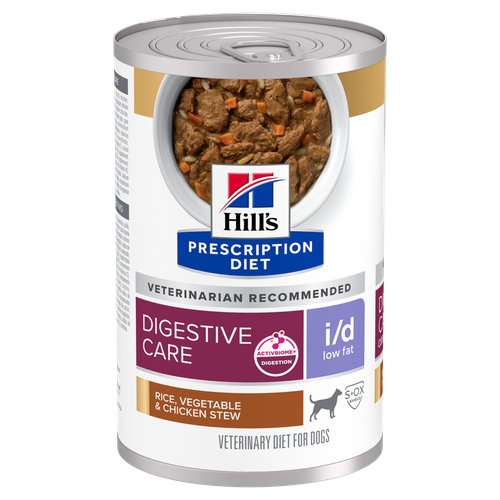
For ongoing support, consider feeding Hill’s Digestive Care Dog Food as the main diet. Options include the everyday nutrition of Science Diet and the veterinarian‑backed Prescription Diet formulas designed for specific digestive needs. Consult your veterinarian to choose the best dog food for digestive issues, and always transition gradually to help support healthy digestion.