




Food & Environmental Allergies in Cats

Symptoms, Causes & Best Allergy Free Food

Food & Environmental Allergies in Cats

Symptoms, Causes & Best Allergy Free Food

Does your cat have signs of allergies?


Cat allergies are often more complex than they seem and can be easily overlooked. Symptoms may include itchy skin, recurrent vomiting, or digestive upset, and can affect both the skin and gastrointestinal system at the same time, making the cause difficult to identify.

Understanding common allergy triggers, recognizing early warning signs, and working closely with a veterinarian to identify the specific allergen are essential for protecting your cat’s long‑term health. Because skin and food allergy symptoms often recur, they should not be ignored. Seek professional diagnosis and treatment as early as possible.

What are the common symptoms of cat allergies?

Here are a few signs a cat might be experiencing food allergies.

check icon
Red patches, spots or pimples
check icon
Dry, flaky or scaly patches
check icon
Hair loss
check icon
Scabs, crusts or thickened skin
check icon
Digestive upset
check icon
Bad skin odor
check icon
Itching, scratching, licking and rubbing

The cause of cat allergies generally fall into two main categories: environmental allergies and food allergies. Identifying the allergen is the crucial first step in treatment.

The cause of cat allergies generally fall into two main categories: environmental allergies and food allergies. Identifying the allergen is the crucial first step in treatment.

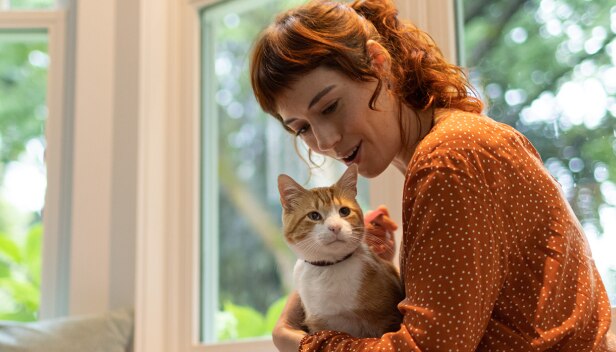
A brown-white cat sitting in a woman's lap A brown-white cat sitting in a woman's lap
Tree Icon

Environmental allergies


A cat may react to certain substances in their environment, such as grasses, pollen, mold or biting insects. Environmental allergies are the most common type of allergy in cats, with symptoms often appearing seasonally or worsening after exposure to specific environments. Removing the offending allergen along with a multimodal approach can help reduce the adverse signs of environmental allergies in cats.

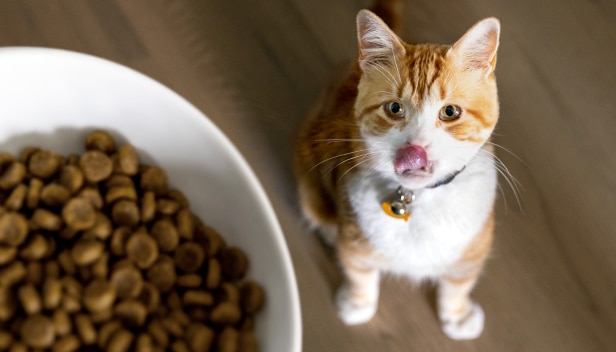
A brown-white cat looking up at a cat food bowl A brown-white cat looking up at a cat food bowl
Cat Food Allergies Icon

Food allergies


Food allergies in cats are caused by a reaction to a particular ingredient, usually a protein. Food allergies may last a lifetime so the ingredient must be permanently removed from your cat’s diet.

When cats experience adverse reactions to certain ingredients, a food elimination trial is commonly conducted by a veterinarian to identify the allergen. This process involves systematically removing and reintroducing specific ingredients to determine which one is causing skin issues or digestive upset. Fortunately, true food allergies are relatively uncommon in cats.

How to help cats with allergies?

Managing a cat’s allergies can be a challenging process, and your first step should be visiting your veterinarian. They will help you find the right combination of nutrition, medication, and/or topicals for your cat.

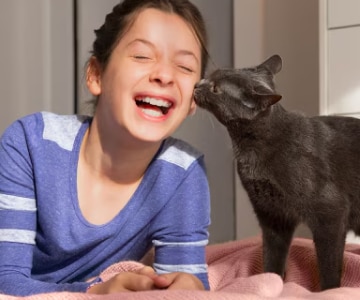
A black cat licks a young girl's face A black cat licks a young girl's face

Trust

Living with a cat with food allergies can cause you both to be restless, but the road to recovery will require time, patience and trust in your vet. Remember — just like humans, every cat is unique, and the best solution will come from working with a professional to address your pet’s specific needs. Together, you’ll get on the right track to helping your best friend feel like their best self.

A brown white cat looks up to a bowl of dry cat food A brown white cat looks up to a bowl of dry cat food

Nutrition

Therapeutic nutrition plays an important role in the long-term management of allergies in cats. The right nutrition can promote healthy skin from within and help alleviate your cat’s signs quickly and long-term. Even with treatment, some cats may have recurring signs that will require adjustments along the way, and your veterinarian will be a helpful resource in managing your cat’s allergies.

A woman playing with her brown-white cat on a bed A woman playing with her brown-white cat on a bed

Medication

A vet may prescribe medication to help alleviate your cat’s signs of allergies. If you are wondering what you can give your cat for allergies, only give medication as recommended by your vet.

A grey cat lying next to a window looking at a cat toy A grey cat lying next to a window looking at a cat toy

Topicals

Topicals can be used for managing allergies in cats. There are various deliveries for topicals like shampoos, lotions, sprays or ointments. Reach out to your veterinarian to ensure a specific topical is appropriate for your pet’s skin condition and life stage.

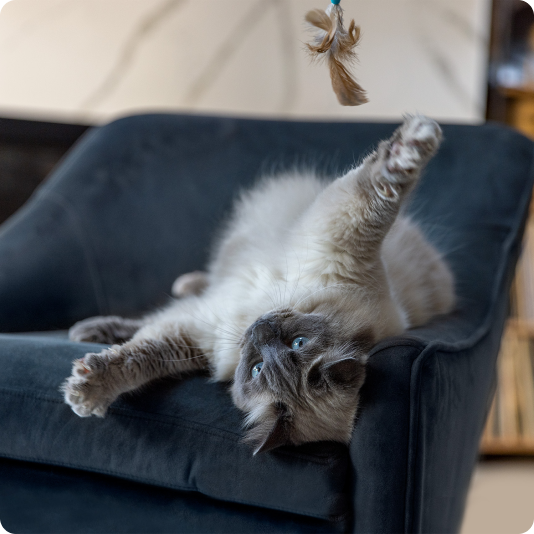
A grey cat lying on a navy blue chair A grey cat lying on a navy blue chair

Choosing the best allergy free cat food

When choosing cat food that helps with allergies, ask your vet about therapeutic diets formulated with either a novel protein or hydrolyzed protein. These are designed to reduce the likelihood of triggering an immune response and are among the most common dietary strategies for managing food allergies in cats.

Novel Protein Icon
Novel protein
refers to a unique protein not commonly found in pet food to help lower the risk of an adverse reaction.
Hydrolyzed Protein Icon
Hydrolyzed protein
involves breaking proteins down into smaller pieces to help avoid detection by the immune system.

Frequently Asked Questions

Cat allergy symptoms typically affect three systems: the skin (itching, redness, hair loss, dandruff, crusting), the gastrointestinal tract (vomiting, diarrhea, loss of appetite), and the respiratory system (sneezing, runny nose, increased eye discharge). Symptoms vary from cat to cat. Food allergies often cause both skin and digestive issues, while environmental allergies are more commonly associated with itchy skin. If symptoms persist or worsen, seek veterinary evaluation promptly.


Common signs include intense itching around the head and neck, overgrooming with hair loss (especially on the abdomen or inner thighs), and chronic vomiting or loose stools. Unlike environmental allergies, food allergies are usually non‑seasonal and occur year‑round. Improvement on a new diet and recurrence after returning to the original food strongly suggest a food allergy. A formal elimination trial is required for confirmation.

The first step is to consult a veterinarian to determine the type of allergy based on your cat’s medical history and clinical examination. If a food allergy is suspected, the veterinarian will recommend a food elimination trial, during which only the prescribed diet should be fed. If an environmental allergy is diagnosed, medication may be used alongside a nutrient‑rich prescription diet. During flare‑ups of skin allergies, regularly wash your cat’s bedding and toys to reduce allergen exposure, and avoid using fragranced cleaning products that may irritate sensitive skin.

Most cases, especially food allergies and atopic dermatitis, do not resolve without treatment. These are chronic immune conditions requiring long‑term management. Without proper care, ongoing scratching can damage the skin barrier and lead to secondary infections. Veterinary guidance is essential for effective control.

Most cases, especially food allergies and atopic dermatitis, do not resolve without treatment. These are chronic immune conditions requiring long‑term management. Without proper care, ongoing scratching can damage the skin barrier and lead to secondary infections. Veterinary guidance is essential for effective control.