Food & Environmental Allergies in Dogs

Symptoms, Causes & Best Allergy Free Food

Food & Environmental Allergies in Dogs

Symptoms, Causes & Best Allergy Free Food

Does your dog show signs of allergies?


Dry, itchy skin may not be just a minor skin issue, it is one of the most common signs of allergies in dogs. Canine allergies are common and generally fall into two main categories: food allergies and environmental allergies.


Symptoms can vary and may include persistent itching, recurring ear infections, and digestive upset. These signs often recur and persist over time. Understanding the symptoms and potential causes, and working with your veterinarian to identify the allergen early, is the first important step toward helping your dog live a more comfortable life.

What are the common symptoms of dog allergies?

Here are a few signs a dog might be experiencing food or environmental allergies:

check icon
Red patches, spots or pimples
check icon
Itching, scratching, licking and rubbing
check icon
Flaky or scaly patches
check icon
Bad skin odor
check icon
Hair loss
check icon
Digestive issues
check icon
Scabs, crusts or thickened skin
check icon
Watery eyes and runny nose

Dog allergies generally fall into two main categories: environmental allergies and food allergies. Most dogs with allergies are triggered by environmental factors, although certain ingredients in food can also cause adverse reactions.

Dog allergies generally fall into two main categories: environmental allergies and food allergies. Most dogs with allergies are triggered by environmental factors, although certain ingredients in food can also cause adverse reactions.

A Golden Retriever leaps to catch an orange ball in its mouth. A Golden Retriever leaps to catch an orange ball in its mouth.
eviromental icon

Environmental allergies


Environmental allergies are the most common type of allergy in dogs. Common triggers include grass, pollen, dust mites, mold spores, and insect bites. Symptoms are often seasonal and may worsen during high‑pollen periods, such as spring.

Managing environmental allergies typically requires a multi‑pronged approach: medications to relieve immediate discomfort, along with long‑term management through appropriate nutrition and regular cleaning of your dog’s living areas and bedding to reduce allergen exposure.

icon pollen
Pollen
icon dust mites
Dust Mites
icon fleas
Fleas
icon grasses
Grasses
A dog enjoys a meal from a bowl. A dog enjoys a meal from a bowl.
Food icon

Food allergies


Food allergies in dogs are relatively uncommon—only about 10% of dogs are affected. Rarely, however, some dogs may experience reactions to certain ingredients, common triggers such as beef, chicken, dairy products, and wheat.
They are identified through food elimination trials conducted by your veterinarian. A food elimination trial is a process of finding and removing the food ingredient causing skin issues or digestive upsets.


牛肉
Beef
乳製品
Dairy Products
蛋類
Eggs
大豆
Soybeans

How to help dogs with allergies?

Managing a dog’s allergies can be a challenging process, and your first step should be visiting your veterinarian. They will help you find the right combination of nutrition, medication, and/or topicals for your dog.

A woman pets a happy golden retriever. A woman pets a happy golden retriever.
Trust

Living with a dog with food or environmental allergies can cause you both to be restless, but the road to recovery will require time, patience and trust in your vet. Remember — just like humans, every dog is unique, and the best solution will come from working with a professional to address your pet’s specific needs. Together, you’ll get on the right track to helping your best friend feel like their best self.

A very excited dog sits up for the food in a blue bowl. A very excited dog sits up for the food in a blue bowl.
Nutrition

Therapeutic nutrition plays an important role in the long-term management of allergies in dogs. The right nutrition can promote healthy skin from within and help alleviate your dog’s signs quickly and long-term. Even with treatment, some dogs may have recurring signs that will require adjustments along the way, and your veterinarian will be a helpful resource in managing your dog’s allergies.

Dog about to take medicine from a person's hand. Dog about to take medicine from a person's hand.
Medication

A vet may prescribe medication to help alleviate your dog’s signs of allergies. If you are wondering what you can give your dog for allergies, only give medication as recommended by your vet.

A man sits in the grass with the sun behind him and smiles as he pets his black and white Border Collie. A man sits in the grass with the sun behind him and smiles as he pets his black and white Border Collie.
Topicals

Topicals can be used for managing allergies in dogs. There are various deliveries for topicals like shampoos, lotions, sprays or ointments. Reach out to your veterinarian to ensure a specific topical is appropriate for your pet’s skin condition and life stage.

A black and white Border Collie leaps high in the air. A black and white Border Collie leaps high in the air.

Choosing the best allergy free dog food

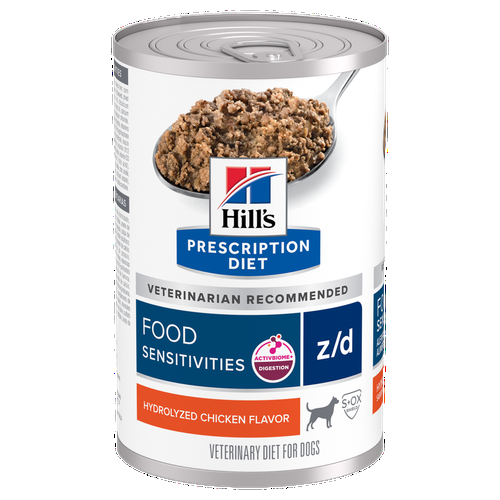
When selecting the best dog food for food allergies, consult your veterinarian about prescription diets made with novel protein or hydrolyzed protein. These specialised formulas are designed to reduce the risk of triggering an immune response and are commonly used to manage canine food allergies.

NOVEL CALLOUT ICON
Novel protein :
A protein source that is new to your dog and not commonly found in standard pet foods, helping lower the risk of an adverse reaction.
HYDROLYZED CALLOUT ICON
Hydrolyzed protein :
Proteins that are broken down into smaller components, making them less likely to be recognized by the immune system and trigger an allergic response.

Frequently Asked Questions

Common early signs include skin sensitivity symptoms such as persistent itching, red or irritated skin, rashes, recurring ear infections, unusual hair loss, and skin odor. Some dogs, especially those with food allergies, may also develop vomiting or diarrhea. Symptoms often recur and can become chronic if the allergen is not identified and managed. If these signs last more than a few days, consult your veterinarian for evaluation.


Start by consulting your veterinarian to confirm the diagnosis and identify the trigger. A veterinarian‑guided food elimination trial is typically recommended, during which only the prescribed diet is fed and all treats are avoided. Once the allergen is identified, it should be eliminated long term, and a hypoallergenic prescription diet can be used for ongoing management.

It depends on the type and severity. Mild environmental reactions may improve once the allergen is removed. However, most allergies, especially atopic dermatitis and food allergies, are long-term immune responses and often recur or worsen without treatment. Consult a veterinarian to identify the cause and manage the condition through diet, environmental control, and medication if needed, rather than waiting for it to resolve on its own.

Dietary management focuses on reducing allergens and supporting the skin barrier. Hypoallergenic formulas made with a single novel protein or hydrolyzed protein are often recommended. Diets enriched with high‑quality protein and Omega‑3 fatty acids may also help support skin health. Hill’s Food Sensitivity Prescription Diet offers both novel protein and hydrolyzed protein options; consult your veterinarian to determine the most suitable formula for your dog.

Beef and chicken are common allergens, partly due to frequent exposure. Alternatives like lamb, duck, and venison are often considered lower-risk options. However, allergies vary by individual. Consult a veterinarian to determine the most suitable protein source for your dog.

Treatment for dog allergies involves four steps: identifying the allergen, managing the environment, adjusting the diet, and using medical therapy when needed. Veterinarians may recommend allergy testing or a hydrolyzed protein elimination diet. Environmental control measures include air purification, regular bathing with hypoallergenic shampoo, and routine flea prevention. For diet, it is recommended to consult a veterinarian and arrange suitable allergy free dog food from Hills.