


One of the simplest joys of being a pet parent is running your hands over your dog's soft, glossy coat. It feels relaxing for you, and it is a wonderful bonding experience for your pup. However, when your four-legged family member struggles with irritation, that simple pleasure can become uncomfortable or even painful.
Dealing with dogs with sensitive skin is incredibly common. Skin issues are actually among the top reasons pet parents take their dogs to the veterinarian. The causes can range widely from environmental irritants like pollen and dust to deeper issue markers like hormonal imbalances, chronic stress, or adverse food reactions. Understanding the root cause is the first step toward relief. For a deeper look into what might be triggering your pup's discomfort, explore this guide on the common causes of dog skin conditions.
How Do I Know If My Dog Has Sensitive Skin?
Recognizing the subtle, early warnings can prevent a mild irritation from turning into a severe, painful skin infection. Dogs cannot tell us when they are uncomfortable, but their behavior and appearance say it all.
If you are asking yourself, "how do i know if my dog has sensitive skin?", look out for these prominent signs:
• Dry, flaky skin: You might notice a fine white dandruff-like powder on their back or on their bedding when they stand up.
• Excessive scratching, licking, or rubbing: If your dog is constantly biting at their paws, rubbing their face against the carpet, or waking up in the night to scratch, their skin barrier is likely compromised.
• Excessive shedding and hair loss: While all dogs shed, losing large patches of fur or developing thinning areas and bald spots points to an underlying issue.
• Redness and inflammation: Part their fur to inspect the skin directly. Raw, pink, or red skin indicates active inflammation that needs attention.
How To Care For A Dog With Sensitive Skin
If your furry friend is showing signs of discomfort, don't worry. Learning how to help dogs with sensitive skin simply involves adjusting a few daily habits to build a protective barrier around your pup.
1. Check for Parasites Regularly
Before changing diets or shampoos, look for unwanted guests. Parasites such as fleas, ticks, and mites can cause intense, localized itching. Even a single flea bite can trigger a massive allergic reaction in sensitive dogs, a condition known as Flea Allergy Dermatitis. Use a fine-toothed flea comb to inspect your dog's underbelly and the base of their tail. Always stay on top of regular, vet-approved preventative pest treatments.
2. Maintain A Healthy Grooming Routine
Grooming is crucial, but over-bathing a sensitive dog can strip away the natural oils that keep their skin moisturized. Use lukewarm water rather than hot, and always opt for a mild, soap-free, hypoallergenic oatmeal or aloe vera shampoo. Brushing your dog daily is also highly beneficial. It removes loose hair and dander while gently stimulating and distributing the skin's natural protective oils throughout the coat.
3. Support Skin Health Through Nutrition
When considering what to feed dogs with sensitive skin, think from the inside out. The cells that make up your dog's skin barrier require specific nutrients to stay strong and flexible. Look for a premium, clinically proven diet specifically designed for skin sensitivities.
Formulas like Hill's Science Diet provide an excellent balance of highly digestible protein alongside vitamin E and Omega-6 fatty acids. These crucial ingredients actively nourish the skin, lock in vital moisture, and promote a radiant, healthy coat.
4. Keep Your Dog Hydrated
Moisturized skin requires adequate internal hydration. Ensure your dog always has access to a bowl of clean, fresh water. If your dog is a stubborn drinker, try scattering a few water bowls around the house, adding an ice cube to their dish, or incorporating high-quality wet food into their meal rotation to naturally increase their daily moisture intake.
5. Adjust Your Home Cleaning Products
Many household cleaners, floor detergents, fabric softeners, and carpet fresheners contain harsh chemicals and synthetic fragrances that can easily irritate a dog’s belly and paws when they lie down. Switch to pet-safe, natural, and fragrance-free cleaning products. When washing your dog’s bedding, blankets, and plush toys, always use a hypoallergenic, dye-free laundry detergent.
6. Protect Paws After Walks (Wipe Down)
When your dog goes outside, their paws and underbelly act like a magnet for environmental allergens like pollen, grass spores, dust, and lawn chemicals. Instead of giving a full bath, create a habit of gently wiping your dog down with a damp washcloth or fragrance-free, hypoallergenic pet wipes right after a walk. Pay close attention to the spaces between their toes where allergens love to hide and cause intense paw-licking.
7. Manage Environmental Humidity
Just like humans, a dog’s skin can become tight, dry, and incredibly itchy when the air inside the home is too dry, especially during dry winter months or in rooms with constant air conditioning. Running a cool-mist humidifier in the room where your dog sleeps can add essential moisture back into the air, keeping their skin hydrated and preventing flaky dandruff.
8. Use Soothing Topical Remedies Between Baths
If your dog has localized dry or itchy spots, you don’t always need to wash their entire body. Spot-treating problem areas with pet-safe topical solutions can provide instant relief. Pure organic coconut oil can be gently massaged into dry elbow pads or flaky patches (it’s completely safe if they lick a little bit off). Alternatively, an oatmeal-based leave-in conditioner spray or a vet-approved hydrocortisone spray can quickly calm sudden flare-ups.
9. Incorporate Skin-Supporting Supplements
If your dog is already on a high-quality diet but still needs an extra boost, talk to your vet about adding targeted skin supplements. Pure wild-caught salmon oil or krill oil pumps extra Omega-3 fatty acids (specifically EPA and DHA) directly into their system, which actively reduces skin inflammation from the inside out. Biotin and Zinc supplements are also fantastic for reinforcing a brittle coat and strengthening a weak skin barrier.
10. Minimize Daily Stress and Anxiety
It might sound surprising, but a dog's psychological well-being is directly tied to their skin health. High stress, boredom, or separation anxiety triggers the release of cortisol, an inflammatory hormone that can weaken the immune system and cause psychological licking and chewing. Ensure your dog gets plenty of mental enrichment, interactive puzzles, and regular exercise to keep their stress levels low and their minds off scratching.


Tasty Tips
When Should You See a Veterinarian?
While mild dryness can often be managed with home adjustments, some situations require professional diagnosis. You should schedule an appointment with your veterinarian if you notice any signs of infection, such as open sores, oozing skin, a strong musty odor, or red hot spots.
Additionally, if your dog seems miserable, cannot sleep through the night due to scratching, or if home care showing no improvement after a few weeks, a vet can perform diagnostic testing (like skin scrapings or allergy panels) to get to the root of the problem.
Preventing Skin Problems in Dogs
An ounce of prevention is worth a pound of cure. To stop skin issues before they start, maintain a stable environment for your dog. Vacuum your home frequently to reduce dust mites and indoor allergens, wash your dog's bedding weekly using a fragrance-free hypoallergenic detergent, and avoid walking your dog in areas with high weed counts during peak allergy season. Keeping up a consistent, year-round routine of high-quality nutrition and parasite control is your best defense.
Frequently Asked Questions
What to feed a dog with sensitive skin?
Prioritize high-quality, easily digestible proteins, antioxidants, and essential fatty acids (specifically Omega-3 and Omega-6). Balanced formulas like Hill's Science Diet Adult Sensitive Stomach & Skin are precisely designed to nourish skin tissue and maintain a strong protective moisture barrier.
Why is my dog scratching so much?
Scratching is a symptom, not a disease. It is most frequently caused by external parasites (fleas or mites), environmental allergies (pollen, dust, mold), or adverse food reactions. Chronic scratching can damage the skin barrier, leading to secondary bacterial infections.
How often should I bathe a dog with sensitive skin?
Bathing every 4 to 6 weeks is generally ideal for dogs with skin sensitivities. Washing them too often can dry out the skin by stripping away its protective oils. If your dog gets dirty between baths, wipe their paws and coat down with a damp cloth or a pet-safe, fragrance-free wipe instead.
Does sensitive skin mean my dog has allergies?
Not necessarily, though allergies are a leading cause. Sensitive skin can also be caused by dry winter weather, low indoor humidity, nutritional gaps, hormonal imbalances (such as thyroid issues), or high stress levels.
What ingredients should I avoid for a dog with skin sensitivities?
Avoid dog foods that contain artificial colors, artificial flavors, or chemical preservatives, as these can trigger reactions in sensitive systems. If your veterinarian suspects a true food allergy, they may also recommend avoiding common protein triggers like beef or dairy, opting instead for alternative or hydrolyzed protein sources.

Related products

Adult Small & Mini Lamb Meal & Brown Rice Recipe Dog Food
For the faster metabolism of Small & Mini dogs

Hill's Science Diet Adult 7+ Senior Vitality Small & Mini Chicken & Rice Recipe Dog Food
Improves everyday ability to get up & go
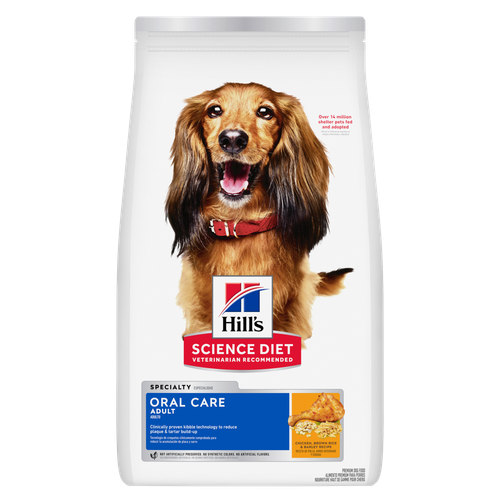
Hill's Science Diet Adult Oral Care Chicken, Brown Rice & Barley Recipe Dog Food
Clinically proven kibble technology to reduce plaque & tartar build-up

Adult 7+ Small & Mini Chicken & Brown Rice Recipe Dog Food
For the unique nutritional needs of mature Small & Mini dogs
Related articles

How Fatty Acids Can be Healthy for Your Dog
Understand the role that Omega-6 and Omega-3 fatty acids play in your dog's overall health, and how you can ensure they are getting enough.

How to Treat A Cut on A Dog (& What to Put on It)
Learn basic steps & precautions for treating a cut on your dog, including what you can put on the cut, and when you should take them to the vet.

The Science Behind Your Dog and His Behavior
Discover how the field of dog science is giving us more and more insights into the inner workings of our furry best friends.

Grooming Suggestions for Keeping Your Dog's Coat Healthy
Your dog's coat and skin are a big part of your dog's overall health. Ensure you keep your dog's coat healthy, by following these simple tips.

Put your dog on a diet without them knowing
Our low calorie formula helps you control your dog's weight. It's packed with high-quality protein for building lean muscles, and made with purposeful ingredients for a flavorful, nutritious meal. Clinically proven antioxidants, Vitamin C+E, help promote a healthy immune system.
Put your dog on a diet without them knowing
Our low calorie formula helps you control your dog's weight. It's packed with high-quality protein for building lean muscles, and made with purposeful ingredients for a flavorful, nutritious meal. Clinically proven antioxidants, Vitamin C+E, help promote a healthy immune system.