
New dog Owner Guide: Tips for First-Time dog Parents
New dog Owner Guide: Tips for First-Time dog Parents
Everything a New Dog Owner Needs to Know
According to data from the Hong Kong Census and Statistics Department, interest in adopting and purchasing dogs has risen steadily in recent years, surpassing 610,000 inquiries during the pandemic. However, post-adoption abandonment cases have also increased, often due to insufficient preparation and unexpected challenges.
Whether you’re a new dog owner or welcoming a dog again after many years, thorough preparation is essential to support your pet’s healthy development. The following guide will help you navigate this important adjustment period.
What to Expect as a New Dog Owner: Puppy, Adult & Senior Dog Care
Bringing a dog home for the first time is exciting — but the first few months can feel overwhelming without the right guidance. Whether you're a new puppy owner or adopting an adult or senior dog, each stage comes with different needs. Select your dog's life stage below to see what to expect week by week.
- Puppy (Under 1 Year)
- Adult Dog
- Senior (7+) Dog
Within the First Week:
Puppies are bursting with energy and exploration. Prepare for some late nights, a lot of love and a few accidents on the carpet. For a little more detail, check out this puppy timeline.

Within the First Month:
Your puppy’s initial excitement will subside, but they’ll still have plenty of energy to burn. Schedule some playtime each day.
Within the First Six Months:
Your puppy will soon be reaching adult size, but now more than ever, sticking to a healthy routine will be vital to their wellbeing.
Within the First Week:
Your dog will need some time to adjust to the new surroundings and people. Be patient, as they may still be marking, hiding and exploring boundaries.
Within the First Month:
As your dog continues to adjust to home life, now is a good time to start reinforcing healthy routines and behaviors for day-to-day life.
Within the First Six Months:
By now, your dog will likely feel like a member of the family. This new level of comfort means that you can introduce new forms of training and share exciting new experiences together.
Within the First Week:
Older dogs need different care as they age. You’ll likely have less energy to deal with, but you’ll want to keep their health top of mind. Learn how to keep your senior dog feeling youthful.
Within the First Month:
While you’re less likely to be chasing them around the yard, some level of activity can help keep their golden years as healthy as possible.
Within the First Six Months:
Six months later, your senior dog will have fully integrated into family life. The focus at this stage is to continue monitoring its physical changes, maintaining adequate exercise, and providing more companionship and patience to accompany it through its most precious golden years.
New Dog Owner FAQs
First-time dog owners often have many questions. Below is a compilation of the most frequently asked questions from new dog owners, so you're fully prepared before welcoming your furry friend home.
Under Hong Kong law, all dogs aged 5 months or above must be licensed, microchipped, and vaccinated against rabies . Keeping an unlicensed dog over 5 months old is illegal and may result in a fine of up to HK$10,000 . Rabies vaccination and licence renewal are required every three years . Owners should also ensure their dogs are properly controlled in public and comply with housing regulations, as some public housing estates prohibit dog ownership.
If this is your first time owning a dog, it's recommended to prepare some essential items in advance to help your dog adjust to its new environment.
One-time purchase:
- Collar & ID Tag
- Bedding
- Food & Water Bowls
- Grooming Brush & Nail Clippers
- Leash
- Toys
- Crates
- Gates
Regular replenishment supplies:
- Dog Food
- Shampoo
- Flea and Tick Control Products
- Heartworm Medidogions
- Treats
Before welcoming a new puppy, prepare both your home and family. Assign caregiving responsibilities, teach children gentle interaction, and arrange vaccinations, deworming, and spaying/neutering while establishing a regular feeding routine. Set aside daily time for walks and companionship to prevent boredom-related behavior issues. Ensure home safety by securing cords, removing toxic plants, confirming pet policies, and installing window or balcony barriers.
Explore beginner dog-owner tips for more helpful guidance.
Vet visit frequency depends on your dog’s age. Puppies (under 1 year) require regular visits for vaccinations and boosters. Adult dogs (1–7 years) should have a comprehensive checkup at least once a year, while senior dogs (7+ years) are recommended to visit every six months, including bloodwork and other screenings to detect age-related issues early.
Regardless of age, seek veterinary care immediately if your dog shows signs such as loss of appetite, lethargy, vomiting, or sudden behavior changes. Download a veterinary checklist to stay on top of your dog’s health needs.
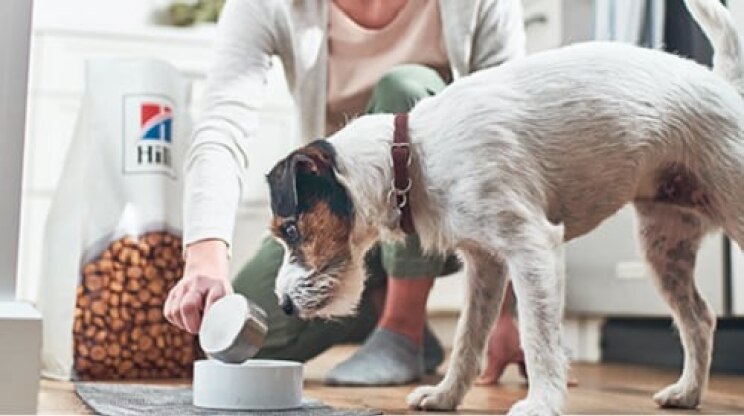
Depending on their lifestage, you will want to adjust your dog’s food accordingly.
Puppies (Under Age 1)
It's crucial to get puppies on the right puppy food to encourage proper development and growth. Make sure to speak to your veterinarian about a puppy food that provides adequate nutrients for their age based on their potential adult size.
Adult Dogs (1-7 Years)
Healthy dogs in their prime years need an adult dog food with a balance of high-quality ingredients, plus antioxidants and omega-6 fatty acids to help support their everyday needs.
Older Dogs (Age 7+)
Older dogs don’t require the same levels of protein and phosphorus, so your senior friend will likely need to support more specific needs for mobility and brain function, such as phytonutrients and L-carnitine. Look for a senior dog food that will support your older friend’s needs throughout the golden years.
Contrary to popular belief, regularly feeding your new dog human food can lead to obesity, dental issues, GI upset and finicky eating habits. It’s also important to know which types of foods are toxic to dogs before you feed them anything from the dinner table. Rather than feeding people food as treats, ask your veterinarian about a healthier alternative designed for dogs.
The cost of owning a dog varies by size, breed, and lifestyle. According to a 2024 Ipsos Hong Kong survey, over 53% of dog owners spend HK$1,000–4,999 per month, 16% spend HK$5,000–9,999, and 7.4% spend more than HK$10,000 monthly. Over a dog’s lifetime, total expenses can reach HK$680,000, with major costs including food, veterinary care, health checkups, dental care, and insurance.
It’s wise to set aside emergency funds, as a single surgery can cost tens of thousands of dollars. With an average lifespan of 10–15 years, owning a dog is a long-term financial and personal commitment.
Chewing is a natural behavior, often caused by teething, excess energy, boredom, or separation anxiety. Increase daily exercise and provide durable chew toys or dental treats to redirect the behavior. Keep shoes, cords, and other tempting items out of reach, and use positive reinforcement to teach boundaries. If chewing persists, consult a professional trainer for guidance.
Playtime depends on your dog’s age, size, and breed. Most dogs need 30–60 minutes of daily interactive activity, split into multiple sessions. High-energy breeds may require 90 minutes or more, while small breeds often need around 30 minutes. Puppies should have short 10–15 minute sessions to protect developing joints, and senior dogs benefit from gentle walks and light enrichment activities.
Hill's dog food is available through several channels, allowing you to choose according to your needs:




Find the right food for your pet
The right nutrition is essential to pets living happy, healthy lives. See which foods fit your pet's unique nutrition needs here.
Win a year’s supply of Hill’s pet food
Submit your dog or cat for a chance to be our next Pet of the Month and you could win a year’s supply of Hill’s pet food on us!
Related articles

Medium Sized Dogs: The Goldilocks of Dog Sizes
Discover the endearing qualities of medium-sized dogs, including size benefits and how to choose which breed is best for your family & living situation.

What Is the Cost of Owning a Dog?
You've made the emotional decision to get a dog, but have you crunched the numbers? The cost of owning a dog requires upfront funds to get started.

5 Popular Small & Toy Dog Breeds in America
U.S. Dog Breed Spotlight: 5 Popular Small & Toy Dogs

Do I Have Time for a Dog?
For potential first-time dog owners, learn whether you realistically have time for a dog and what a typical day may look like with a new pup.
Related articles
Medium Sized Dogs: The Goldilocks of Dog Sizes
Discover the endearing qualities of medium-sized dogs, including size benefits and how to choose which breed is best for your family & living situation.
What Is the Cost of Owning a Dog?
You've made the emotional decision to get a dog, but have you crunched the numbers? The cost of owning a dog requires upfront funds to get started.
5 Popular Small & Toy Dog Breeds in America
U.S. Dog Breed Spotlight: 5 Popular Small & Toy Dogs
Do I Have Time for a Dog?
For potential first-time dog owners, learn whether you realistically have time for a dog and what a typical day may look like with a new pup.