



How Veterinarians Diagnose Skin Problems in Cats?
This is because completely different skin conditions can appear identical on the surface. For instance, a food allergy rash can look exactly like a flea allergy rash, which is why professional diagnostics are essential. Treating blindly can often prolong the cat's suffering. Your veterinarian will typically approach the diagnostic process through a systematic, multi-step evaluation:
1. Detailed History Review: The vet will examine your cat’s diet, lifestyle, routine preventative care (like flea and tick treatments), and any recent changes in the home environment or stress levels.
2. Comprehensive Physical Exam: Checking the exact distribution pattern of hair loss, scabs, and rashes, as different causes favor different areas of a cat's body.
3. Microscopic Testing: Performing skin scrapings to check for deep-dwelling mites, or using specialized combs to look for fleas and flea dirt. Swabs and tape impressions are also evaluated under a microscope to identify active bacterial or yeast populations.
4. Fungal Cultures & Wood's Lamp: Utilizing UV light or hair cultures to rule out highly contagious fungal infections like ringworm.
5. Elimination Food Trials: If a food allergy is suspected, placing the cat on a strict prescription trial diet for several weeks to isolate the problematic ingredient.
Treatment Options for Cat Skin Conditions
Effective cat skin condition treatment relies on a multi-pronged approach tailored to the specific diagnosis:
• Parasite Elimination: Utilizing strict, vet-approved monthly preventative treatments for fleas and mites, ensuring all other pets in the household are treated simultaneously.
• Topical Therapies: Medicated shampoos, sprays, or spot-on treatments designed to soothe inflammation, reduce itching, and combat topical bacterial or yeast overgrowth.
• Systemic Medications: Corticosteroids or immune-modulating drugs to interrupt severe itching cycles, alongside antibiotics or antifungals if an active infection is present.
• Environmental Management: Minimizing exposure to airborne irritants by using air purifiers, vacuuming frequently, and avoiding heavily fragranced household products.
For a thorough and effective treatment plan, it is always best to consult your veterinarian. Proper diagnosis and professional guidance will ensure your cat receives the most appropriate care and long‑term relief.
How Nutrition Supports Cat Skin Health
What your cat eats plays a fundamental, foundational role in how quickly their skin can heal and resist future flare-ups. Think of nutrition as the literal building blocks of the skin barrier; without the right nutrients, the body cannot repair the damage caused by chronic scratching. Targeted nutritional support includes:
• Novel or Hydrolyzed Proteins: Switching to unique protein sources that the cat has never eaten before (like venison or duck), or utilizing hydrolyzed proteins that are broken down to a molecular level so small the immune system cannot recognize or react to them. This is the cornerstone of managing cats with skin allergies.
• Essential Fatty Acids: Formulating diets with exceptionally high levels of Omega-3 and Omega-6 fatty acids (frequently sourced from premium fish oil). These fatty acids nourish the intercellular matrix of the skin, lock in vital moisture to prevent dryness, and naturally down-regulate the body's inflammatory pathways.
• Immune-Supporting Antioxidants: Enriching the food with robust levels of Vitamin E, Vitamin C, and other key antioxidants. These nutrients shield fragile skin cells from oxidative stress and bolster the immune system's natural defense mechanisms, making the cat less susceptible to environmental triggers.
To ensure your cat receives balanced and sufficient nutrition, consider a veterinarian-recommended diet formulated specifically for skin health, such as Hill’s Prescription Diet range. Always consult your veterinarian before making dietary changes to ensure the formula is appropriate for your cat’s individual needs.
Questions to Ask Your Veterinarian
• How do I know if adverse reactions to foods are causing my cat to lick and scratch so excessively?
• What is a novel protein food, and would you recommend a specific prescription diet for my cat's current condition?
• Is it okay to supplement my cat's dry food with canned food or commercial treats, or will that interfere with their skin recovery?
• Can you provide me with written instructions, a dosage chart, or an educational care booklet for managing skin conditions at home?
• What is the best way to reach your clinic or hospital if I notice my cat's symptoms worsening or developing an allergic reaction over the weekend?


Tasty Tips
Frequently Asked Questions
Why is my cat scratching so much?
Frequent scratching is typically a response to intense pruritus (severe itching). The most common culprits are external parasites like fleas, environmental or food allergies, or secondary bacterial skin infections that develop after the skin barrier has been broken by grooming.
How do I know if my cat has allergic skin or sensitive skin?
Sensitive skin generally reacts to physical triggers like dry winter air, harsh grooming products, or minor friction, resulting in mild flaking or temporary dryness. Allergic skin involves an immune system response, typically leading to intense, relentless itching, red rashes, scabbing, hair loss, and systemic discomfort that doesn't go away on its own. A vet can differentiate between the two through diagnostic testing.
How do you treat skin conditions in cats?
Treatment requires removing the underlying trigger and soothing the skin simultaneously. This typically involves using strict flea control, introducing specialized anti-itch medications or antibiotics, modifying the home environment to remove airborne allergens, and switching to a supportive, skin-focused diet rich in essential fatty acids.
Can cats recover a skin issue on their own?
Rarely. While a minor, isolated insect bite might resolve without intervention, most chronic issues like feline allergic dermatitis, parasitic infestations, or infections will progressively worsen without treatment. Persistent scratching can break the skin, leading to painful secondary infections that are much harder to treat.
What foods help cats with skin problems?
Cats benefit immensely from therapeutic foods rich in Omega-3 and Omega-6 fatty acids to reduce tissue inflammation and reinforce the skin barrier. If a food allergy is present, elimination diets utilizing novel proteins (like duck or venison) or hydrolyzed proteins are highly effective at eliminating the allergy trigger.
How often should I bathe my cat with sensitive skin?
Cats generally do not require frequent bathing because they self-groom. For cats with sensitive or allergic skin, you should only bathe them as directed by your veterinarian—typically using a specialized, soap-free medicated shampoo. Over-bathing can strip the coat of its natural protective oils, inadvertently worsening dryness and irritation.

Related products

Adult Perfect Weight Vegetable & Turkey Medley Cat Food
Over 70% of cats lost weight within 10 weeks when fed this nutrition (USA Study)
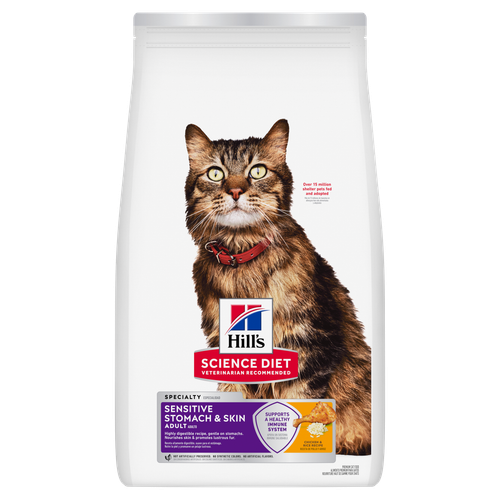
Adult Sensitive Stomach & Skin Chicken & Rice Recipe Cat Food
Science-backed nutrition tailored for skin and digestive health, packed with clinically proven, immune system supporting antioxidants.

Adult Perfect Digestion Chicken, Vegetable & Rice Stew Cat Food
Supports ultimate digestive well-being & healthy microbiome

Adult Sensitive Stomach & Skin Duck & Vegetable Entrée Cat Food
Science-backed nutrition tailored for skin and digestive health, packed with clinically proven, immune system supporting antioxidants.
Put your cat on a diet without them knowing
Our low calorie formula helps you control your cat's weight. It's packed with high-quality protein for building lean muscles, and made with purposeful ingredients for a flavorful, nutritious meal. Clinically proven antioxidants, Vitamin C+E, help promote a healthy immune system.