


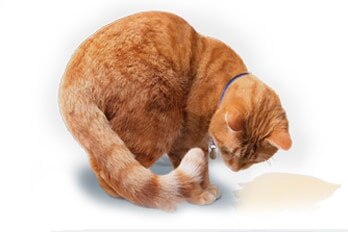
Inappropriate urination is the number one behavioral issue reported by cat parents globally, often causing deep frustration and straining the bond between owners and their pets. However, many owners do not realize that these accidents are rarely acts of defiance. Instead, they are frequently driven by a painful, underlying medical condition known as feline lower urinary tract disease (FLUTD).
If your cat is avoiding the litter box, straining, or showing signs of discomfort, understanding the root cause is the first step toward relief. This comprehensive guide covers everything from recognizing key symptoms to selecting the right urinary diet cat food to manage and prevent this disease long-term.
What Is Urinary Tract Disease in Cats?
Feline lower urinary tract disease (FLUTD) is a broad medical term used to describe a group of disorders that affect a cat’s lower urinary tract, specifically the urinary bladder and the urethra (the tube that carries urine out of the body).
FLUTD can prevent the bladder from emptying properly and can even become a critical medical emergency if a blockage forms. This conditions affects both male and female cats with equal frequency across all regions, including highly urbanized pet-owning households globally and in major regions like Hong Kong. However, neutered male cats carry a significantly higher risk of life-threatening urethral obstructions due to their narrower, longer urethral anatomy.
Types of Urinary Tract Disease in Cats
When dealing with a urinary tract disease cat, vets typically classify the condition into a few primary categories:
1. Feline Idiopathic Cystitis (FIC): This is the most common diagnosis under the FLUTD umbrella, accounting for over half of all cases. "Idiopathic" means the exact underlying cause is unknown, but it involves severe bladder inflammation heavily triggered by stress.
2. Urinary Crystals and Bladder Stones (Urolithiasis): Minerals precipitate out of the urine to form microscopic crystals or solid stones that cause immense irritation, bleeding, and potential blockages. The two most common types are:
- Struvite stones: Composed of magnesium, ammonium, and phosphorus, which typically form in alkaline (high pH) urine.
- Calcium oxalate stones: Form in more neutral or acidic urine, often linked to imbalances in calcium and mineral processing.
3. Urethral Obstruction: A physical plug formed by crystals, mucus, or inflammatory debris that completely blocks the flow of urine. This is a rapid-onset emergency.
4. Urinary Tract Infections (UTIs): While common in humans, true bacterial infections are relatively rare in young to middle-aged cats, though they are more frequent in senior cats with underlying health conditions like chronic kidney disease.
What Causes Urinary Tract Disease in Cats?
FLUTD is a complex, multifactorial disease, meaning there is rarely a single isolated cause. Instead, a combination of biological, nutritional, and environmental risk factors typically drives its development:
1. Environmental & Lifestyle Triggers
• Indoor-Only Lifestyles: While keeping cats indoors protects them from outdoor dangers, a lack of physical exercise and environmental stimulation contributes to obesity and urinary stagnation.
• Chronic Stress: Cats internalize anxiety directly into their nervous system, which triggers neurogenic inflammation in the bladder wall. Common stressors include multi-pet household conflicts, house guests, or lacking dedicated spaces to rest and hide.
• Dehydration: Cats naturally have a low thirst drive. A lack of sufficient water intake leads to highly concentrated urine, allowing minerals to bind together easily.
2. Nutritional and Dietary Risks
The choice of food plays a critical role in bladder health. Feeding an unformulated or lower-grade grocery store diet can severely impact the urinary tract:
• Mineral Overloads: High levels of calcium, phosphorus, and magnesium act as raw building blocks for stone formation.
• Urine pH Disruption: Diet directly controls how acidic or alkaline a cat's urine is. For a healthy urinary tract, urine should ideally be moderately acidic. If a diet causes the urine pH to spike into an alkaline range, it creates an environment where struvite crystals rapidly grow.
3. Biological Risks
• Age: Cats older than one year are most susceptible.
• Medical History: A history of chronic kidney disease or past urinary tract procedures increases overall vulnerability.
Signs and Symptoms of Urinary Tract Disease
Recognizing feline urinary tract disease symptoms early can prevent a mild flare-up from turning into a life-threatening crisis. Cats are masters at hiding pain, so look closely for these behavioral and physical red flags:
• Inappropriate Urination: Peeing outside of the litter box on cool surfaces like tile, bedding, or sinks. Cats begin to associate the litter box itself with the pain of urinating, causing them to seek out alternative spots.
• Dysuria and Stranguria: Straining to urinate or spending a prolonged amount of time in the litter box, often yielding little to no urine.
• Vocalizing During Urination: Crying out, meowing loudly, or howling while trying to use the box.
• Periuria (Frequent Attempts): Constantly returning to the litter box to pass only tiny drops of urine.
• Hematuria: Pink, dark, or visibly bloody urine.
• Excessive Grooming: Obsessively licking the genital area to soothe the intense burning sensation.
• Systemic Signs: A sudden loss of appetite, lethargy, or a total lack of interest in daily activities.
When To Contact A Vet
If your cat shows any mild symptoms of FLUTD, schedule a veterinary visit promptly.
*CRITICAL WARNING: If your cat, especially a male cat, is straining but not passing any urine freely, you must contact a veterinarian immediately or head to the nearest 24-hour emergency animal hospital. A urethral blockage can cause acute kidney damage and fatal toxic buildup within 24 to 72 hours. This is a strict medical emergency.


Tasty Tips
How Veterinarians Diagnose Urinary Tract Disease
To determine the exact cause of your cat's discomfort, a veterinarian will typically perform several diagnostic steps:
1. Urinalysis: Testing a urine sample to evaluate the pH, check for the presence of red and white blood cells, identify struvite or calcium oxalate crystals, and look for bacteria.
2. Blood Work: Checking overall organ function, particularly looking for elevated kidney values if a blockage or chronic disease is suspected.
3. Imaging (X-rays and Ultrasound): Radiographs are highly effective at revealing dense calcium oxalate stones, while ultrasound helps identify bladder wall thickening, inflammation, or smaller sand-like struvite deposits.
Please note that every cat’s condition is unique, and the information above is for reference only. Individual cases should always be evaluated and discussed directly with a veterinarian.
Questions to Ask Your Veterinarian
When heading to your local veterinary clinic, consider printing or saving this checklist of targeted questions to ensure a thorough care plan:
• What specific type of FLUTD does my cat have (e.g., FIC, crystals, or an infection)?
• Are my cat's accidents purely behavioral, environmental, or medical?
• Would you recommend a specialized therapeutic diet, such as a feline lower urinary tract disease diet like Hill’s® Prescription Diet®, for long-term management?
• Should I feed wet food, dry kibble, or a mixture of both? If mixing, which specific formulas are safe to combine?
• How long will my cat need to stay on this specialized urinary food?
• If I live in a multiple-cat household, can my other healthy cats safely eat this therapeutic diet?
• What are the short-term and long-term treatment options beyond just changing their food?
• How can I safely increase my cat's daily water consumption?
• What is the best way to contact your hospital quickly if I suspect a recurrence or blockage?
• When do we need to schedule a follow-up appointment or re-check urinalysis?
Treatment and Nutrition for Cats with Urinary Tract Disease
While veterinarians address the immediate medical needs, owners should carefully follow their veterinarian’s guidance to support long-term management at home. A healthy bladder depends on two essential elements: a targeted urinary diet and adequate moisture intake.
The Power of Specialized Nutrition
Veterinary studies show that foods high in magnesium, phosphorus, calcium, and excess protein are closely linked to stone formation. Transitioning your cat to a dedicated bladder health food yields three major benefits:
Mineral Restriction: Carefully controlled levels of magnesium, calcium, and phosphorus limit the raw components available to build stones.
pH Optimization: Formulated diets help maintain a moderately acidic urine pH, which directly dissolves existing struvite stones and prevents new ones from growing.
Inflammation Control: Advanced therapeutic diets often contain added omega-3 fatty acids to naturally reduce bladder wall inflammation.
What are the best diets recommended for managing feline lower urinary tract disease?
When choosing a feline lower urinary tract disease diet, the ideal choice is a therapeutic, veterinary-formulated urinary diet (such as Hill's Prescription Diet). These diets are scientifically engineered to create an unfavorable environment for both struvite and calcium oxalate crystals.
While dry urinary kibble is formulated to stimulate thirst and maintain proper pH, wet (canned) urinary formulas are generally considered the gold standard by veterinarians. Wet food provides a massive boost to total hydration, ensuring the bladder is regularly flushed of microscopic debris and inflammatory cells before they can bind together into painful stones.
Because every cat’s medical history and condition are unique, always consult a licensed veterinarian for an accurate diagnosis and custom treatment and diet plan tailored to your cat's specific health needs.
The Critical Role of Hydration
Beyond diet , increasing water consumption is arguably the most effective way to protect a cat's bladder. Diluted urine makes it significantly harder for minerals to aggregate into crystals.
Shift to Canned Food: Feeding moist or canned cat food dramatically increases involuntary water intake compared to dry kibble.
Meal Pacing: Offering several small meals throughout the day rather than one large feeding helps prevent sudden spikes in urine pH after eating.
Can FLUTD Come Back? Preventive Measures
Urinary tract disease is frequently a lifelong, chronic condition. Any cat that has suffered an episode of FLUTD is at a high risk for recurring flare-ups. Even with excellent medical care, some cats will experience periodic episodes.
To break this cycle, you must transition from reactive treatment to proactive, lifelong prevention by optimizing their environment and routine:
Comprehensive Prevention Strategy
Maintain the Veterinary Diet: Never abruptly stop your veterinarian's recommended feline lower urinary tract disease diet. Reverting to standard grocery brands often triggers a return of urinary crystals within weeks.
Enhance Water Accessibility: Keep water bowls pristine, fresh, and placed away from food or litter boxes. Utilize circulating pet water fountains to appeal to a cat's natural preference for moving water.
Minimize Environmental Stress: Cats thrive on routine. Shield them from abrupt changes, minimize territorial conflicts in multi-pet homes, and enrich their environment by providing sturdy scratching posts and high-up resting shelves.
Dedicate Play Time: Schedule regular, active play sessions daily to keep your cat at a healthy weight and encourage regular movement, which helps stimulate regular urination.
Frequently asked questions
Is urinary tract disease curable in cats?
It depends on the type. Conditions like bacterial UTIs or certain struvite stones can be completely cleared with antibiotics or target diets. However, conditions like Feline Idiopathic Cystitis (FIC) and genetic tendencies toward stone formation are generally considered chronic conditions that are managed rather than permanently cured. They require lifelong diet and lifestyle management to prevent recurrence.
What are the early signs of urinary problems in cats?
Early warning signs include spending slightly longer in the litter box, visiting the box more frequently than usual, obsessively cleaning their hindquarters, or occasional accidents outside the box on cool surfaces. Spotting these subtle behaviors early can prevent the condition from escalating.
How do I know if my cat has a urinary blockage?
A blocked cat will make frequent, desperate attempts to urinate, straining heavily in a hunched position while producing absolutely nothing or only a single drop of bloody urine. They will often cry out in intense pain, hide, become extremely lethargic, or vomit. This is a life-threatening medical emergency requiring immediate veterinary intervention.
How much water should a cat drink?
On average, a healthy adult cat should drink about 3.5–4.5 ounces of water per 5 pounds of body weight per day (approximately 50–60 mL per kilogram per day). Cats eating exclusively dry kibble need to drink significantly more fresh water, whereas cats on a wet food diet satisfy a large portion of this requirement directly through their meals. Cats with urinary tract disease, kidney disease, diabetes, or hyperthyroidism may also require increased water intake. Always speak with your veterinarian to determine the appropriate water intake for your individual cat.
What do you feed a cat with urinary tract disease?
You should feed a specialized, veterinary-approved urinary diet cat food that features strictly controlled levels of magnesium, calcium, and phosphorus, while actively regulating urine pH. High-moisture wet food options are strongly preferred to keep the urinary system diluted and healthy. Avoid standard grocery brand foods that contain high, unregulated mineral contents.

Related products

Adult Indoor Chicken Recipe Cat Food
Supports energy level and beautiful fur in indoor cats
Hill's Science Diet Adult Oral Care Chicken, Brown Rice & Barley Recipe Dog Food
Clinically proven kibble technology to reduce plaque & tartar build-up

Hill's Science Diet Adult Sensitive Stomach & Skin Dog Food
Highly digestible recipe, gentle on stomachs. Nourishes skin & promotes a lustrous coat
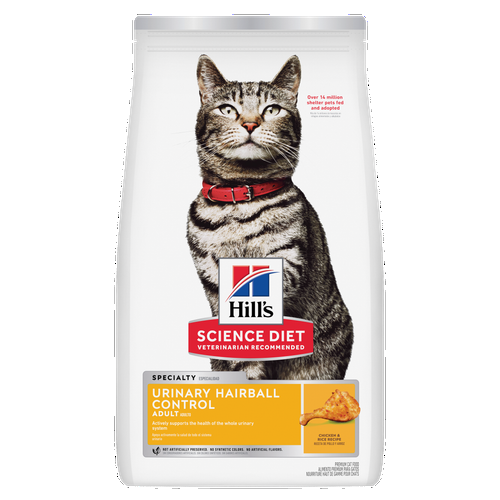
Adult Urinary Hairball Control Chicken & Rice Recipe Cat Food
Actively supports the health of the whole urinary system
Put your cat on a diet without them knowing
Our low calorie formula helps you control your cat's weight. It's packed with high-quality protein for building lean muscles, and made with purposeful ingredients for a flavorful, nutritious meal. Clinically proven antioxidants, Vitamin C+E, help promote a healthy immune system.
Put your cat on a diet without them knowing
Our low calorie formula helps you control your cat's weight. It's packed with high-quality protein for building lean muscles, and made with purposeful ingredients for a flavorful, nutritious meal. Clinically proven antioxidants, Vitamin C+E, help promote a healthy immune system.