


Bladder stones form when naturally occurring minerals in a dog's urine clump together into a solid, mineralized mass. Veterinarians technically refer to this condition as a urolith. While some dogs carry these stones without showing any discomfort, they can lead to severe pain and dangerous blockages if left unmanaged.
Understanding the various types of bladder stones in dogs is crucial, as their composition completely changes how veterinarians approach treatment and long-term prevention.
Are Bladder Stones in Dogs an Emergency?
In many cases, bladder stones start as a chronic, uncomfortable medical condition rather than an immediate crisis. However, they can instantly escalate into a life-threatening medical emergency if a stone travels into the urethra and causes a complete urinary obstruction.
A urinary blockage stops a dog from being able to empty their bladder entirely. This leads to toxins building up rapidly in the bloodstream, immense pain, and a high risk of bladder rupture.
Emergency Warning: If your dog is straining to urinate but producing no urine at all, is actively vomiting, or appears exceptionally weak, seek emergency veterinary care immediately.
How Do I Know if My Dog Has Bladder Stones?
The most common symptoms of bladder stones in a dog mimic general lower urinary tract diseases. Keep a close eye out for these clinical signs:
• Straining to urinate
• Pungent urine
• Needing to urinate more often than usual
• Having accidents in the house
• Excessive licking around the genital area
• A drop in energy levels, or loss of appetite
• Vomiting
What Causes Bladder Stones in Dogs?
When analyzing bladder stones in dogs causes, the primary mechanism is the saturation of minerals within the urinary system. When the urine contains too high a concentration of certain minerals, they precipitate out as crystals, eventually sticking together to form hard stones.
The two most common variations develop under distinct physiological conditions:
1. Struvite Stones
Struvite is a hard mineral deposit formed when magnesium and phosphate bind together. While isolated struvite crystals are relatively common in healthy canine urine, they turn into stones primarily due to lower urinary tract infections (UTIs). Ammonium-producing bacteria from an infection raise the urine pH, creating an alkaline environment where these crystals clump together rapidly.
• Risk Factors: According to clinical data from the Veterinary Information Network, 85% of dogs diagnosed with struvite stones are female, and the average age of an affected patient is 2.9 years old.
• Breed Predispositions: Shih Tzus, Miniature Schnauzers, Yorkshire Terriers, Labrador Retrievers, and Dachshunds appear to be at a significantly increased risk of forming struvite stones.
2. Calcium Oxalate Stones
Unlike struvite formations, the pH level of the urine has very little impact on calcium oxalate development. Instead, these stones form when the urine becomes oversaturated with calcium and oxalate. They generally develop in sterile urine and are completely unrelated to lower urinary tract infections.
• Risk Factors: In a stark contrast highlighted by a study published in The Canadian Veterinary Journal, calcium oxalate stones are much more common in male dogs than female dogs, and typically target an older population. The study noted that the average dog diagnosed with calcium oxalate stones was 9.3 years old.
• Breed & Genetic Risks: Keeshonds, Norwich Terriers, Norfolk Terriers, and Pomeranians as breeds at an increased risk. Furthermore, molecular research conducted by the University of Minnesota successfully identified a specific genetic defect that predisposes dogs to calcium oxalate. A commercial genetic test is now available for English Bulldogs, and researchers have identified the exact same mutation in American Staffordshire Terriers, Border Collies, Boston Terriers, Bullmastiffs, Havaneses, Rottweilers, and Staffordshire Bull Terriers.

How Veterinarians Diagnose Bladder Stones
Because conditions like urinary tract infections or bladder tumors share identical clinical signs, veterinary diagnostics are required to confirm a case.
Veterinarians typically rely on a combination of the following tests to map out a clear picture:
• Imaging: X-rays or abdominal ultrasounds allow the vet to physically see the stones, determine their size, and check how many are present inside the bladder.
• Urinalysis: Testing a urine sample helps identify active crystal shedding, check the urine pH, and detect blood or structural cells.
• Urine Culture: This specific test screens for the presence of ammonium-producing bacteria to confirm or rule out an underlying UTI.
Treatment Options for Bladder Stones in Dogs
When deciding how do you treat bladder stones in dogs, a veterinarian’s approach depends entirely on the composition of the stone and whether the dog faces an immediate risk of a blockage.
1. Nutritional Dissolution
For dogs diagnosed with struvite stones, the standard medical consensus points toward non-invasive means. According to consensus guidelines from the American College of Veterinary Internal Medicine (ACVIM), veterinarians will likely suggest nutritional dissolution as the primary course of action.
This involves feeding a highly specialized, therapeutic food formulated to manipulate urine chemistry and safely dissolve the stones back into liquid. If the stone is associated with an active urinary tract infection, a course of antibiotics will be prescribed concurrently.
Several veterinary therapeutic diets are available to support this process. For example, Hill’s Prescription Diet offers complete and balanced formulas specifically designed to reduce the risk of both struvite and calcium oxalate crystal formation. These diets work by controlling mineral content in the urine while still providing high-quality nutrition. Options are available in both canned and dry forms to suit different preferences and needs.


Tasty Tips
2. Non-Surgical Removals
Because calcium oxalate stones cannot be dissolved with diet, they must be physically removed. When the stones are small and positioned favorably, veterinarians may recommend minimally invasive procedures instead of surgery.:
• Lithotripsy: This procedure uses focused sound waves (shock waves) to break larger stones into much smaller fragments. Once fragmented, the pieces are small enough to pass naturally through the urinary tract. Lithotripsy avoids open surgery and typically allows for a shorter recovery time.
• Voiding Urohydropropulsion: Performed under sedation, this technique involves filling the bladder with sterile fluid and using controlled pressure and positioning to flush small stones out through the urethra. It is most effective for small stones located in the bladder.
3. Surgical Intervention
If stones are too large to pass, cannot be dissolved, or are causing a urinary obstruction, a surgical procedure called a cystotomy may be required. During this procedure, the veterinarian makes an incision into the bladder to remove the stones directly.
Although cystotomy is generally safe and commonly performed, it is more invasive than other options and requires anesthesia, sutures, and recovery time. For this reason, surgery is typically reserved for cases where less invasive treatments are not possible or when a life-threatening urinary blockage is present.
How to Prevent Bladder Stones in Dogs
Once a dog's urinary system is fully cleared, long-term preventative care is essential because these stones carry a high recurrence rate. Prevention relies heavily on two lifestyle changes: diluting the urine and controlling mineral intake.
• Maximize Water Intake: Crystals and stones struggle to form in highly dilute urine. You can drastically lower urine concentration by adding warm water directly to their dry food, switching to a canned wet food diet, adding low-sodium chicken or beef broth to their bowl, or investing in a dynamic dog water fountain.
• Consistent Medical Monitoring: Schedule routine veterinary check-ups that include an X-ray or ultrasound once or twice a year. Catching new stone formations while they are still tiny allows veterinarians to remove them safely via non-surgical means before they cause issues.
Frequently Asked Questions
Can bladder stones go away on their own?
No. Bladder stones will not disappear without active medical intervention. While ACVIM-supported protocols show that struvite stones can be dissolved completely through a strict therapeutic diet, calcium oxalate stones will remain inside the bladder until they are physically removed via surgery or non-surgical procedures.
Can bladder stones in dogs come back after treatment?
Yes, bladder stones frequently recur if the underlying lifestyle factors aren't adjusted. To help reduce the risk of them coming back or extend the time between flare-ups, it is crucial to stay compliant with preventative therapeutic foods and maintain high daily hydration.
How common are bladder stones in dogs?
They are highly common in clinical veterinary medicine. Driven by the breed and demographic risks published by VIN and The Canadian Veterinary Journal, struvite and calcium oxalate stones represent the vast majority of all urinary masses diagnosed in dogs.
What foods can I give to my dog with bladder stones?
When determining What to feed a dog with bladder stones, you should rely on complete, balanced therapeutic options like Hill’s Prescription Diet. These veterinary-exclusive formulas provide high-quality nutrition while reducing the risk of calcium oxalate and struvite crystal formation by significantly lowering the concentration of minerals passing into your dog's urine. These protective foods are widely available in both canned wet and dry kibble formats. Always consult your veterinarian before altering your dog's diet.

Related products

Adult 7+ Small & Mini Chicken & Brown Rice Recipe Dog Food
For the unique nutritional needs of mature Small & Mini dogs
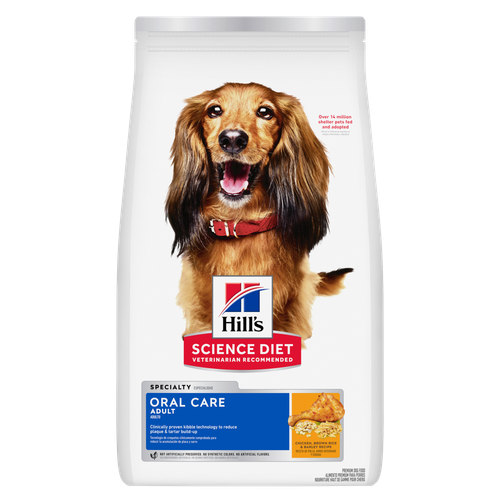
Hill's Science Diet Adult Oral Care Chicken, Brown Rice & Barley Recipe Dog Food
Clinically proven kibble technology to reduce plaque & tartar build-up

Hill's Science Diet Adult 7+ Senior Vitality Small & Mini Chicken & Rice Recipe Dog Food
Improves everyday ability to get up & go

Adult Small & Mini Lamb Meal & Brown Rice Recipe Dog Food
For the faster metabolism of Small & Mini dogs
Related articles

The Science Behind Your Dog and His Behavior
Discover how the field of dog science is giving us more and more insights into the inner workings of our furry best friends.
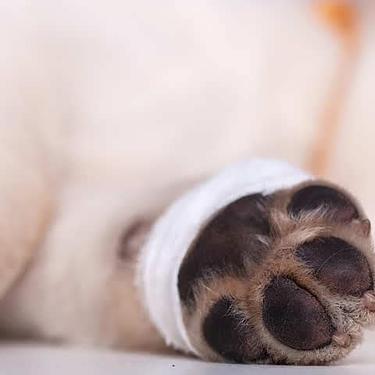
How to Treat A Cut on A Dog (& What to Put on It)
Learn basic steps & precautions for treating a cut on your dog, including what you can put on the cut, and when you should take them to the vet.

How Fatty Acids Can be Healthy for Your Dog
Understand the role that Omega-6 and Omega-3 fatty acids play in your dog's overall health, and how you can ensure they are getting enough.
Grooming Suggestions for Keeping Your Dog's Coat Healthy
Your dog's coat and skin are a big part of your dog's overall health. Ensure you keep your dog's coat healthy, by following these simple tips.
Put your dog on a diet without them knowing
Our low calorie formula helps you control your dog's weight. It's packed with high-quality protein for building lean muscles, and made with purposeful ingredients for a flavorful, nutritious meal. Clinically proven antioxidants, Vitamin C+E, help promote a healthy immune system.
Put your dog on a diet without them knowing
Our low calorie formula helps you control your dog's weight. It's packed with high-quality protein for building lean muscles, and made with purposeful ingredients for a flavorful, nutritious meal. Clinically proven antioxidants, Vitamin C+E, help promote a healthy immune system.