


As a pet owner in Hong Kong, keeping a close eye on your pup’s bathroom habits is a natural part of your daily routine. Whether you are navigating the bustling streets , taking a trip to a dog park, or simply strolling around your neighborhood, you likely know exactly how many waste bags you need to bring along.
Because our dogs can't tell us when they feel unwell, changes in their stool are often the first indicator of a health issue. Gastrointestinal (GI) problems like dog diarrhea and constipation in dogs are two sides of the same coin, reflecting an imbalance in your pet's digestive system. Understanding the root causes, knowing what to feed a dog with constipation, and recognizing the right home remedy for dog diarrhea can help you confidently manage your dog's gut health.
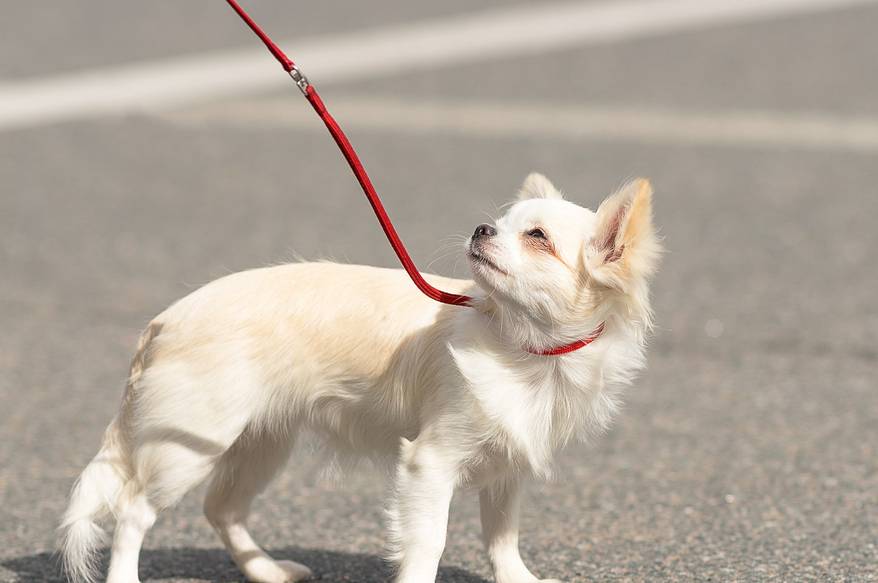
What is Constipation in Dogs?
While diarrhea is highly visible and hard to miss, constipation in dogs can be a quiet, uncomfortable condition that easily goes unnoticed if you aren't paying close attention during potty breaks. Constipation occurs when the waste material moves too slowly through the large intestine, causing the colon to absorb excess moisture and leaving the stool dry, hard, and painful to pass
Signs of Dog Constipation
If your dog is pacing, repeatedly crouching, or straining to defecate with little to no stool being produced, they may be constipated. Sometimes, owners mistake the frequent straining of diarrhea (colitis) for constipation, so it is important to observe whether any waste is actually being passed. When a constipated dog does manage to pass a bowel movement, the stools are typically small, hard, dry, and resemble dense pebbles. You may also notice your dog displaying vocal signs of distress, such as whimpering or crying out while attempting to go.
What are Common Causes of Constipation in Dogs?
• Dehydration: This is a major factor, especially during Hong Kong’s hot and humid summer months. If a dog isn't drinking enough fresh water to match their activity level, their body pulls moisture from the colon, drying out the stool.
• Lack of Dietary Fiber: Fiber acts as a natural regulator. A diet that lacks the correct balance of soluble and insoluble fibers won't have the bulk necessary to stimulate the smooth muscles of the colon to contract and push waste out.
• Ingestion of Foreign Materials: Dogs love to chew, but swallowing indigestible items like bones, sticks, pieces of toys, or even large amounts of matted fur can form a physical blockage in the intestinal tract, stalling digestion entirely.
• Sedentary Lifestyle: Physical movement naturally stimulates intestinal motility. Dogs that spend the majority of their time indoors with minimal exercise are much more prone to sluggish digestion.
Constipation in Dogs Treatment & Dietary Fixes
Mild, occasional cases of constipation can often be resolved through simple lifestyle adjustments and proper nutritional support designed to get things moving again safely.
When considering what to feed a dog with constipation, your veterinarian may recommend a therapeutic diet optimized with active prebiotic fibers, such as Hill's Prescription Diet Gastrointestinal Biome. High-quality fiber allows the stool to absorb and retain water within the colon, softening the mass and naturally stimulating normal bowel contractions.
To provide immediate hydration support, try mixing premium wet canned food into their daily meals or soaking their dry kibble in warm water to increase their overall fluid intake. Alongside dietary changes, increasing their daily exercise with longer or more frequent walks is an excellent, chemical-free constipation in dogs treatment that helps stimulate natural digestive flow.
Important Warning: Never attempt to give your dog human laxatives, stool softeners, or home enemas. Over-the-counter human medications can cause severe intestinal damage, dangerous chemical imbalances, or prove fatal. Always consult a professional veterinarian before administering any medical treatments.


Tasty Tips
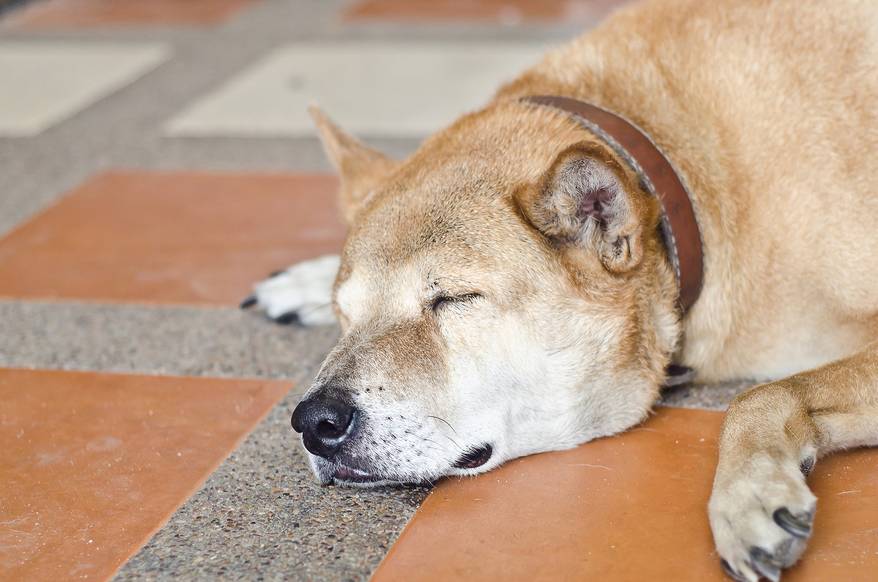
What Is Diarrhea in Dogs ?
In contrast to constipation, which can leave you wondering when your dog will poop again, diarrhea can leave a pet parent asking if your dog will ever stop pooping again. Diarrhea, the production of loose and frequent stools, is one of the most common G.I. issues in dogs.
In Hong Kong's dense urban environment, our dogs are exposed to a variety of external factors. During walks, they can easily sniff out or ingest discarded food scraps, pick up bacteria from shared surfaces, or experience stress from a sudden change in their environment.
What are Common Causes of Diarrhea in Dogs ?
• Dietary Indiscretion: Often referred to as ""garbage gut,"" this happens when a dog eats rich human table scraps, fatty treats, or spoiled food scavenged from the street. Their digestive enzymes aren't built for processed human food, leading to rapid inflammation of the intestinal lining.
• Sudden Dietary Changes: Transitioning to a new brand or type of food overnight can shock the gut microbiome. A dog's digestive tract requires time to adapt to new protein levels and ingredient profiles.
• Environmental Stress and Anxiety: Dogs are highly sensitive to routine changes. Moving to a new apartment, boarding while you travel, or even loud city noises like thunder or fireworks can trigger stress-induced colitis, resulting in sudden loose stools.
• Parasites and Intestinal Infections: Parasites like roundworms or protozoa like Giardia are easily picked up in public spaces. Bacterial overgrowths (such as Salmonella or E. coli) can also take hold if a dog's immune system is slightly compromised.
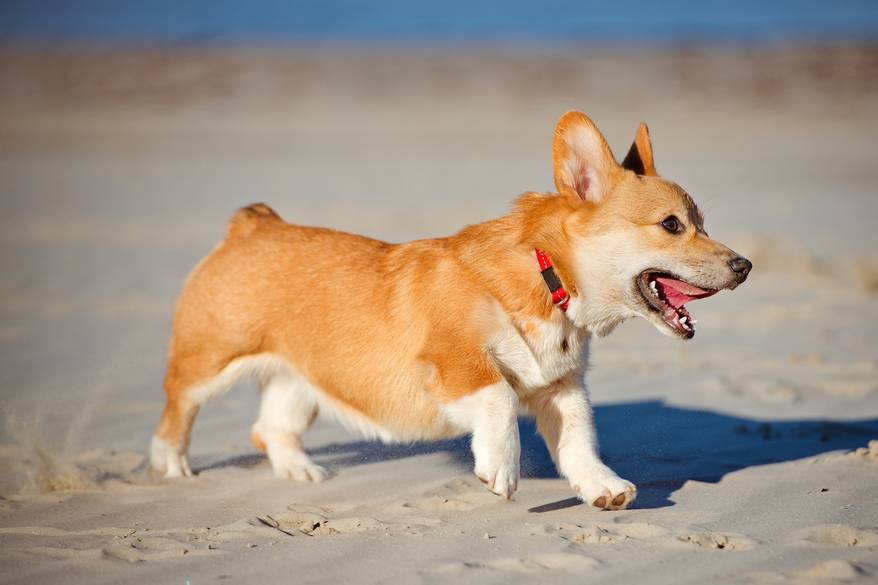
What to Feed a Dog with Diarrhea?
When your pup is experiencing loose stools, the cells of their intestines become inflamed and lose their ability to absorb nutrients properly. Unless explicitly instructed by your veterinarian, it is generally no longer recommended to withhold food entirely for 24 hours, as the gut needs nourishment to heal. Instead, focus on easily digestible, low-fat nutrition that won't overwork the digestive system.
A specialized, highly digestible therapeutic food, such as Hill's Prescription Diet, is ideal because it provides easily absorbable nutrients while replenishing the vital electrolytes and B vitamins lost through watery stools. If you do not have prescription food on hand, a classic homemade home remedy for dog diarrhea is a temporary diet of boiled, skinless chicken breast mixed with plain white rice. The starch in plain white rice helps bind the stool, while the lean chicken provides gentle protein. Feed this bland mixture in small, frequent portions until the stool firms up, then slowly reintroduce their regular kibble.
What Home Care Tips Will Help My Dog's GI Distress?
The best way to manage digestive issues is to prevent them from happening in the first place. Incorporating a few consistent habits into your pet care routine can significantly reduce the likelihood of your dog experiencing an upset stomach.
1. Maintaining a Consistent Diet
A dog’s digestive system thrives on stability. Frequently switching between different brands, flavors, or offering too many varieties of treats can disrupt the delicate balance of beneficial gut bacteria. Stick to a high-quality, nutritionally complete main diet and keep training treats consistent.
If you like rewarding your dog with fresh whole foods, choose safe and simple options such as a slice of cucumber or a small piece of carrot. Treats should not make up more than 10% of your dog’s total daily caloric intake.
2. Transitioning Foods Gradually
Whenever you need to change your dog’s food, whether transitioning from puppy to adult kibble or switching formulas based on veterinary advice, make the change gradually over a period of about seven days. This allows digestive enzymes and gut bacteria enough time to adjust, helping to reduce the risk of stomach upset.
3. Ensuring Adequate Hydration
Consistent hydration is the cornerstone of healthy digestion. Always ensure your dog has multiple bowls of fresh, filtered water accessible around your home, and refresh them daily. In a warm climate like Hong Kong, dogs lose moisture quickly through panting. If your dog is a reluctant drinker, consider investing in a circulating pet water fountain, as many dogs are naturally drawn to moving water, or proactively bring a portable water dispenser along on all outdoor walks.
When Should I Bring My Dog to the Vet?
While a single episode of loose stool or a minor delay in their bathroom schedule can sometimes resolve on its own, certain symptoms indicate a much more serious underlying medical condition that requires immediate professional evaluation.
• Red Flags for Constipation
Constipation becomes an emergency if your dog hasn't passed a stool in more than 48 to 72 hours, or if they are visibly distressed, bloating, vomiting, or crying out in pain while straining. Prolonged constipation can lead to a dangerous condition called megacolon, where the large intestine becomes permanently stretched out and loses its ability to function. Your veterinarian can perform X-rays to check for physical blockages or foreign objects and safely administer clinical fluids or a specialized veterinary enema.
• Red Flags for Diarrhea
Do not wait if your dog’s diarrhea is accompanied by vomiting, extreme lethargy, a sudden refusal to eat or drink, or a noticeable fever. Another critical warning sign is the appearance of the stool itself: if you see bright red streaks of blood, or if the stool appears completely black and tarry (which indicates digested blood from higher up in the digestive tract), skip home care entirely and head to your clinic. Furthermore, any diarrhea that persists for more than 48 hours despite feeding a bland diet requires an expert check-up to prevent severe dehydration.
Frequently Asked Questions
Can changing dog food cause diarrhea?
Yes, a sudden switch in your dog's diet is one of the most common causes of acute digestive upset. A dog’s digestive tract requires time to adapt to new protein sources, fat levels, and fiber profiles. To prevent dog diarrhea, always transition to a new food gradually over a period of 7 days by mixing increasing amounts of the new food with decreasing amounts of the old food.
Are puppies more prone to digestive issues?
Yes, puppies have developing immune systems and highly sensitive gastrointestinal tracts, making them more vulnerable to dietary upsets, parasites, and viral infections. Because puppies can dehydrate very rapidly, any signs of prolonged diarrhea or constipation should be evaluated by a veterinarian promptly.
What should I do if my dog is having diarrhea?
For mild cases without other symptoms, ensure they stay hydrated by offering plenty of fresh water and feed a highly digestible, bland diet. Monitor the stool consistency closely. If the diarrhea lasts longer than 24 to 48 hours, or if your dog exhibits lethargy, fever, vomiting, or blood in the stool, seek immediate veterinary care.
How to relieve constipation in dogs quickly?
The safest way to encourage a quick bowel movement for mild constipation is to increase your dog's hydration and take them for an active, brisk walk to stimulate intestinal motility. Adding a tablespoon of plain canned pumpkin (not pie filling) to their food can provide a safe fiber boost. If they haven't passed a stool in more than 48 hours or appear in pain, your vet may need to safely administer fluids or a clinical enema.
What can I feed my dog if they have an upset stomach?
If your dog has a mild upset stomach, you can feed them a highly digestible therapeutic diet designed for GI care or a simple homemade blend of boiled white meat chicken (no bones, skin, or seasoning) mixed with plain white rice. Once their stomach settles, slowly transition them back to their regular, balanced pet food over a few days.

Related products

Adult 7+ Small & Mini Chicken & Brown Rice Recipe Dog Food
For the unique nutritional needs of mature Small & Mini dogs

Adult Small & Mini Lamb Meal & Brown Rice Recipe Dog Food
For the faster metabolism of Small & Mini dogs

Hill's Science Diet Adult 7+ Senior Vitality Small & Mini Chicken & Rice Recipe Dog Food
Improves everyday ability to get up & go
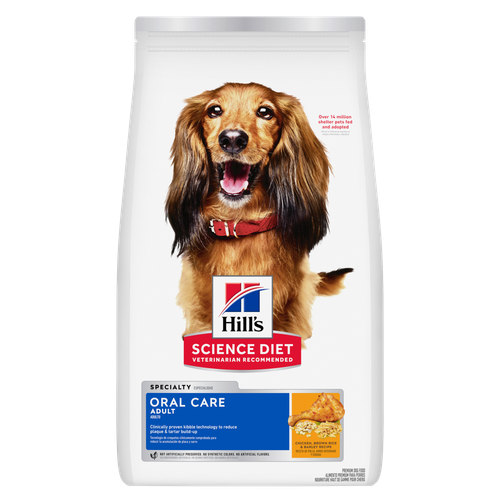
Hill's Science Diet Adult Oral Care Chicken, Brown Rice & Barley Recipe Dog Food
Clinically proven kibble technology to reduce plaque & tartar build-up
Related articles
How Fatty Acids Can be Healthy for Your Dog
Understand the role that Omega-6 and Omega-3 fatty acids play in your dog's overall health, and how you can ensure they are getting enough.
How to Treat A Cut on A Dog (& What to Put on It)
Learn basic steps & precautions for treating a cut on your dog, including what you can put on the cut, and when you should take them to the vet.
Grooming Suggestions for Keeping Your Dog's Coat Healthy
Your dog's coat and skin are a big part of your dog's overall health. Ensure you keep your dog's coat healthy, by following these simple tips.

The Science Behind Your Dog and His Behavior
Discover how the field of dog science is giving us more and more insights into the inner workings of our furry best friends.
Put your dog on a diet without them knowing
Our low calorie formula helps you control your dog's weight. It's packed with high-quality protein for building lean muscles, and made with purposeful ingredients for a flavorful, nutritious meal. Clinically proven antioxidants, Vitamin C+E, help promote a healthy immune system.
Put your dog on a diet without them knowing
Our low calorie formula helps you control your dog's weight. It's packed with high-quality protein for building lean muscles, and made with purposeful ingredients for a flavorful, nutritious meal. Clinically proven antioxidants, Vitamin C+E, help promote a healthy immune system.