


What Are GI and Digestive Disorders in Dogs?
Gastrointestinal (GI) and digestive disorders in dogs encompass any condition that damages or irritates the stomach and intestines, reduces the digestion or absorption of food, or alters its normal passage through the digestive tract. These issues can present as acute, sudden flare-ups or evolve into long-term chronic medical conditions that require specialized daily management.
Common Types of GI and Digestive Disorders in Dogs
The canine digestive system can be compromised by numerous conditions. Causes can range from eating something inappropriate (dietary indiscretion), to food allergies or intolerances, infections, parasites, stress, or a lack of digestive enzymes. Some breeds, such as Great Danes, German Shepherds, Golden Retrievers, and Collies, are more prone to particular digestive problems. Commonly diagnosed conditions include:
1. Acute Gastroenteritis: This is a short-term inflammation or infection of the gastrointestinal tract, primarily striking the stomach and intestines. It is frequently caused by dietary indiscretion (eating spoiled food, garbage, or rich "people food"), swallowing foreign objects, toxic plants, internal parasites, or acute emotional stress.
2. Colitis: An acute or chronic inflammation of the membrane lining the colon (large intestine). Most common in dogs under 5 years old, it causes severe large-intestinal swelling resulting in frequent, painful passing of feces. https://www.hillspet.hk/content/dam/cp-sites-aem/hills/hills-pet/legacy-articles/inset/img_illust_CanineChronicColitis_en.jpg.rendition.394.430.jpg
3. Pancreatitis: A serious inflammation or infection of the pancreas, the tapered gland situated behind the stomach. While the origins are frequently idiopathic (unknown), potential triggers include feeding highly fatty foods or rich table scraps.
4. Exocrine Pancreatic Insufficiency (EPI): A condition where the pancreas does not produce enough digestive enzymes. It is characterized by progressive weight loss despite a massive increase in appetite.
5. Small Intestinal Malabsorption: Chronic inflammation within the small intestine impairs vital nutrient absorption, resulting in stubborn diarrhea and a loss of appetite.
6. Constipation: A painful binding of the digestive tract often caused by lack of exercise, dehydration, low-fiber diets, or swallowing indigestible materials like bones.
7. Diarrhea: Loose, watery stools caused by infections, sudden changes in food, rich snacks, or underlying internal organ dysfunction.
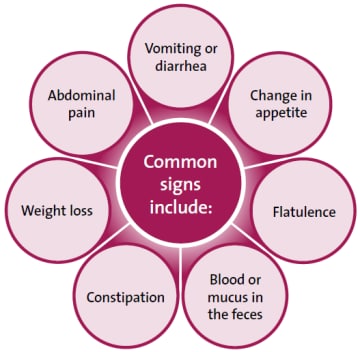
How to Recognize Symptoms of Gastrointestinal Disease in Dogs
Recognizing gastrointestinal disease in dogs symptoms quickly allows you to intercept minor conditions before they become critical. Review the reference below to see which key symptoms correlate to specific conditions:
1. Acute Gastroenteritis
• Key symptoms: Frequent vomiting, sudden weakness, abdominal pain, and loss of appetite.
• Primary stool characteristics: Soft, loose, watery stools.
2. Colitis
• Key symptoms: Straining to defecate, painful passing of feces, and increased frequency of bowel movements.
• Primary stool characteristics: Diarrhea containing fresh blood and mucus.
3. Pancreatitis
• Key symptoms: Severe vomiting, a painful hunched back, intense abdominal pain, and lethargy.
• Primary stool characteristics: Greasy, light-colored or yellow stools.
4. Exocrine Pancreatic Insufficiency (EPI)
• Key symptoms: Rapid weight loss, voracious appetite, and poor coat quality.
• Primary stool characteristics: Extremely large volumes of soft, pale feces.
5. Small Intestinal Malabsorption
• Key symptoms: Persistent weight loss, gradual muscle wasting, and lethargy.
• Primary stool characteristics: Chronic, continuous watery diarrhea.
When to Contact a Veterinarian
While minor stomach problems in dogs can resolve quickly, persistent issues require medical care. Contact your veterinarian immediately if you observe:
• Vomiting or diarrhea that lasts longer than 24 hours.
• Blood in your dog's stool (bright red streaks or dark, tarry stools) or blood in their vomit.
• Extreme lethargy, weakness, or collapsing.
• Signs of intense abdominal pain (crying out, groaning, or adoption of the "prayer position" with front paws down and rear end up).
• Suspected ingestion of toxic items, bones, or foreign objects.


Tasty Tips
What Should Dogs With Digestive Problems Eat?
Digestive disorders are quite common and most clear up within a few days. But some dogs need long-term management because they have regular or permanent digestive problems. Dogs recovering from acute or chronic GI distress require a highly tailored diet to prevent further irritation:
• Highly Digestible Ingredients: Food must be broken down easily to ensure the stomach doesn't work overtime.
• Low to Moderate Fat Content: Lowering fat levels protects dogs suffering from conditions like pancreatitis, which can be easily aggravated by rich foods.
• Prebiotic Fibers: Diets enhanced with active prebiotic fibers nourish beneficial gut bacteria, solidifying loose stools and supporting regular, comfortable bowel movements.
Veterinary therapeutic diets, such as Hill’s Prescription Diet Gastrointestinal formulas, are specifically developed to support digestive health with highly digestible ingredients, balanced fat levels, and clinically tested fiber blends. These diets are designed to help manage various GI conditions under professional supervision. Because every dog’s condition is unique, it is essential to consult your veterinarian before changing your dog’s food. Your veterinarian can determine whether a prescription diet like Hill’s is appropriate and recommend the most suitable nutritional plan for your dog’s specific needs.
Preventing Digestive Problems in Dogs
While some genetic factors cannot be overridden, practicing these core best practices will drastically lower your dog's risk of developing acute GI stress:
1. Strictly Avoid Table Scraps: Never feed high-fat human foods, rich treats, or table scraps (especially bones, chocolate, or candies) to your dog.
2. Implement Gradual Diet Changes: When transitioning to a new dog food, space the transition over 7 to 10 days by slowly mixing increasing amounts of the new food into the old food.
3. Secure Garbage & Toxins: Keep kitchen trash cans tightly locked and ensure toxic household plants or small toys are kept completely out of your dog's reach.
4. Encourage Hydration and Exercise: Provide continuous access to clean, fresh water and maintain daily exercise routines to encourage healthy intestinal motility.
Questions to Ask Your Veterinarian
• Are there any specific human foods, treats, or ingredients I must completely avoid giving my dog?
• Would you recommend a tailored Hill’s® Prescription Diet® or Science Diet® formula for my dog’s unique digestive health needs?
• Exactly how much and how often should I feed the recommended food?
• Are there specific, safe treats that can be combined with this therapeutic diet?
• How quickly should I expect to see improvements in my dog’s stool or overall comfort?
• Can you provide me with written instructions or a takeaway guide regarding long-term digestive care?
• What is the fastest way to reach your emergency line if my dog starts vomiting again at home?
Frequently asked questions
What are the 7 most common dog digestive issues?
The seven most frequently diagnosed digestive complications include acute gastroenteritis, colitis, pancreatitis, exocrine pancreatic insufficiency (EPI), small intestinal malabsorption, diarrhea, and constipation.
What should I do if my dog is having digestive issues?
Remove access to food for a few hours while keeping fresh water available, monitor them closely for other clinical symptoms, and contact your vet for guidance. Never administer human medications without explicit veterinary direction.
What foods cause gastrointestinal problems in dogs?
High-fat human foods (such as bacon, butter, or fried items), table scraps, cooked bones, spoiled garbage items, and specific human toxins like chocolate, candy, onions, or grapes routinely cause severe gastrointestinal distress.
Can dog digestive problems resolve on their own?
Mild cases of minor dietary indiscretion can occasionally resolve on their own within 24 to 48 hours if the dog's immune system clears the irritation. However, conditions involving chronic inflammation, parasites, blockages, or organ dysfunctions will progressively worsen without professional veterinary intervention.
Are some dog breeds more prone to GI disorders?
Yes. Certain breeds carry higher genetic predispositions to specific conditions. For example, German Shepherds are highly prone to Exocrine Pancreatic Insufficiency (EPI), while Great Danes, Golden Retrievers, and Collies are statistically more susceptible to chronic small intestinal malabsorption and severe stomach sensitivities.

Related products

Adult 7+ Small & Mini Chicken & Brown Rice Recipe Dog Food
For the unique nutritional needs of mature Small & Mini dogs
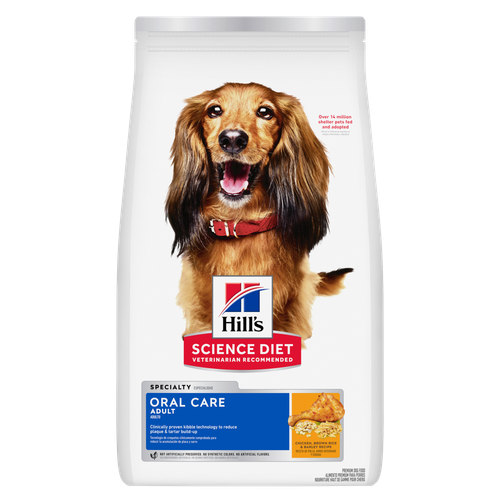
Hill's Science Diet Adult Oral Care Chicken, Brown Rice & Barley Recipe Dog Food
Clinically proven kibble technology to reduce plaque & tartar build-up

Adult Small & Mini Lamb Meal & Brown Rice Recipe Dog Food
For the faster metabolism of Small & Mini dogs

Hill's Science Diet Adult 7+ Senior Vitality Small & Mini Chicken & Rice Recipe Dog Food
Improves everyday ability to get up & go
Related articles

The Science Behind Your Dog and His Behavior
Discover how the field of dog science is giving us more and more insights into the inner workings of our furry best friends.
Grooming Suggestions for Keeping Your Dog's Coat Healthy
Your dog's coat and skin are a big part of your dog's overall health. Ensure you keep your dog's coat healthy, by following these simple tips.

How to Treat A Cut on A Dog (& What to Put on It)
Learn basic steps & precautions for treating a cut on your dog, including what you can put on the cut, and when you should take them to the vet.
How Fatty Acids Can be Healthy for Your Dog
Understand the role that Omega-6 and Omega-3 fatty acids play in your dog's overall health, and how you can ensure they are getting enough.
Put your dog on a diet without them knowing
Our low calorie formula helps you control your dog's weight. It's packed with high-quality protein for building lean muscles, and made with purposeful ingredients for a flavorful, nutritious meal. Clinically proven antioxidants, Vitamin C+E, help promote a healthy immune system.
Put your dog on a diet without them knowing
Our low calorie formula helps you control your dog's weight. It's packed with high-quality protein for building lean muscles, and made with purposeful ingredients for a flavorful, nutritious meal. Clinically proven antioxidants, Vitamin C+E, help promote a healthy immune system.