


As cat parents, we know our feline friends are absolute masters at hiding. But when it comes to kidney diseases in cats, this superpower makes things tricky for us. Your cat’s kidneys do a massive amount of heavy lifting, from controlling blood pressure and producing vital hormones to filtering out metabolic waste. When they start to struggle, it can quickly turn into a life-threatening situation. Let's break down how to spot the subtle cues early, what to look out for, and how to give your cat the longest, happiest life possible.
Why Kidney Disease Is Often Missed
The scariest thing about kidney disease in cats is how quietly it creeps up. Because cats are so resilient, they can adapt to losing a significant amount of kidney function without showing a single outward sign. In fact, clinical signs of kidney disease in cats usually don't appear until 75% of their kidney function is already gone.
By the time a cat looks visibly sick, their kidneys have been working overtime under immense stress for months, or even years. This is why waiting for obvious symptoms is a risky game.
What Are the Early Symptoms of Kidney Disease in Cats?
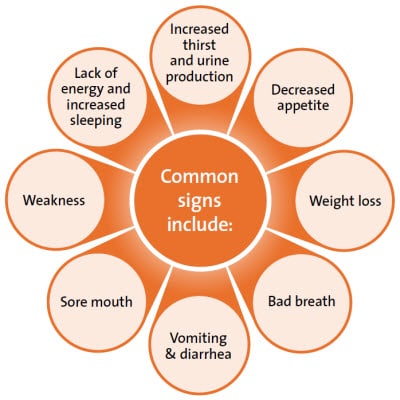
Because the disease progresses so stealthily, the early kidney disease in cats symptoms are incredibly easy to mistake for normal aging or other conditions like diabetes and hyperthyroidism. The absolute earliest signs usually revolve around water balance. You'll want to keep a close eye out for:
• Increased thirst (Polydipsia): Is the water bowl draining faster than usual? Is your cat suddenly hanging out near the bathroom sink?
• Frequent urination (Polyuria): Are the clumps in the litter box noticeably larger or more frequent?
• A slightly duller coat: The coat might lose its usual sheen or look a bit unkempt because they aren't grooming as thoroughly."
As It Progresses: Late-Stage Symptoms
If the disease goes unnoticed, metabolic waste begins to build up in the bloodstream, leading to more severe, overt clinical signs.
• Drastic weight loss and reduced appetite: Food just doesn't appeal to them anymore.
• Frequent vomiting, diarrhea, or constipation: Gastrointestinal upset becomes common.
• Lethargy and depression: Spending significantly more time sleeping and showing zero interest in toys or interaction.
• Distinctly bad breath: A buildup of toxins can cause a strong, chemical, or ammonia-like odor.
• Sore mouth or mouth ulcers: These make eating physically painful, contributing to weight loss.
• Bloody or cloudy urine, or a sudden drop to no urination at all.
When to Visit a Vet: Red Flags for Urgent Care
Some pet owners may wonder: What warning signs indicate that a cat with kidney disease needs urgent care?
While chronic kidney disease requires consistent, long-term management, certain symptoms may signal a medical emergency. If your cat exhibits any of the following signs, seek urgent veterinary care immediately:"
Red Alert Symptoms:
• Complete lack of urination: A total blockage or sudden kidney shutdown is a critical emergency.
• Severe, unyielding vomiting: Leads to rapid, life-threatening dehydration.
• Extreme lethargy: If your cat is completely unresponsive or unable to lift their head.
• Sudden blindness or dilated pupils: Often caused by sudden, severe high blood pressure linked to kidney failure.
Deep Dive: Acute vs. Chronic Kidney Disease
Not all kidney issues are the same. Veterinarians divide renal failure into two distinct categories:
• Acute Kidney Failure: This happens suddenly—over a few days or weeks. It is often caused by a distinct event, such as an infection, a sudden drop in blood flow, or the ingestion of toxic substances (like antifreeze, lilies, pesticides, or certain medications). If caught immediately, acute kidney failure can sometimes be reversed.
• Chronic Kidney Disease (CKD): This is a long-term, progressive, and irreversible condition. It is incredibly common in older cats (especially those over 7) and certain breeds like Persians and Angoras who have a genetic predisposition. Treatment for CKD focuses entirely on palliative care—slowing down the damage and managing symptoms.
How Kidney Disease Is Diagnosed
If you suspect something is off, your vet will perform a few straightforward tests to see exactly what’s happening beneath the surface:
• Blood Chemistry Panel: This checks the levels of waste products in the blood, specifically BUN (blood urea nitrogen) and creatinine. High levels mean the kidneys aren't filtering efficiently.
• Urinalysis: This evaluates how well the kidneys are concentrating urine. Dilute urine is a classic indicator that the kidneys are losing their filtering power. It also checks for protein loss and signs of infection.
• Blood Pressure Screening: Because the kidneys regulate blood pressure, kidney disease frequently causes hypertension, which must be managed to prevent further organ damage.
Every cat is different, so the tests and next steps may vary depending on your cat’s condition. Some cats may need additional tests like an ultrasound or X-rays. Your vet will guide you on what’s best for your cat and recommend the most appropriate care plan.
Prevention is Medicine: Importance of Screening Older Cats
Since early signs are practically invisible, routine preventative care is your absolute best weapon.
Once your cat reaches 7 years of age, it is highly recommended to request a "senior screening" at their annual vet check-up. These routine blood and urine baselines can catch declining kidney function years before your cat ever shows a physical symptom, giving you a massive head start on management.


Tasty Tips
How to Treat Kidney Disease in Cats
Because chronic kidney disease is an irreversible condition, treatment focuses heavily on palliative care—meaning the goal isn't a cure, but rather managing symptoms, slowing the disease down, and maximizing your cat's comfort and daily quality of life.
A tailored care plan can add months or even years of happy, comfortable life to your cat's timeline. Depending on how advanced the condition is, your vet may recommend a combination of the following therapies:
• Fluid Therapy: Subcutaneous fluids (given under the skin) are a cornerstone of palliative care. They help flush out metabolic waste, ease nausea, and combat the chronic dehydration caused by failing kidneys.
• Medications: Prescription drugs to manage secondary issues like high blood pressure, reduce protein loss in urine, or treat anemia and painful stomach ulcers.
• Advanced Options: In very specific, acute, or severe cases, intensive treatments like dialysis or a kidney transplant might be discussed.
• Dietary Modification: Changing what goes into your cat's bowl is one of the most effective palliative tools you have to physically slow the progression of kidney damage.
Tailoring the Menu: Kidney Disease in Cats Diet
Adjusting what goes into your cat’s bowl is arguably the single most powerful tool you have to slow down the progression of chronic kidney disease. Standard cat food contains levels of protein and minerals that are simply too heavy for compromised kidneys to process. A proper kidney disease in cats diet works by strictly limiting the kidneys' workload to preserve their remaining function.
The Golden Rules of Renal Nutrition:
• Low Phosphorus: High phosphorus levels accelerate kidney damage. Restricting phosphorus is scientifically proven to lessen the severity of symptoms and slow down further tissue damage.
• High-Quality, Reduced Protein: Processing protein creates metabolic waste that the kidneys must filter. Feeding a diet with lower quantities of incredibly high-quality protein reduces this toxic buildup while maintaining muscle mass and supporting a normal acid-base balance.
• Moisture, Moisture, Moisture: Because kidney cats lose so much water through dilute urine, transitioning to wet therapeutic foods and ensuring multiple sources of fresh, clean water is vital.
To hit these precise nutritional targets, veterinarians rely on scientifically formulated prescription diets rather than over-the-counter options. Brands like Hill's Prescription Diet offer specialized formulas that are clinically engineered with restricted phosphorus and balanced, high-quality proteins. These therapeutic foods are specifically designed to help restore normal acid-base levels, improve overall kidney health, and significantly lengthen your cat’s lifespan while keeping them feeling comfortable and energetic.
Frequently asked questions
What should cats with kidney disease avoid?
Avoid standard, over-the-counter cat foods that are high in phosphorus and contain uncontrolled protein levels. Cats with kidney disease should always have access to fresh water, as dehydration can worsen their condition. Keep them away from known toxins such as lilies, household cleaners, and human medications. It is also important to limit high-sodium treats, which can place additional strain on the kidneys.
What is the life expectancy of a cat with kidney disease?
There is no single answer, as it depends entirely on how early the disease is diagnosed and how well it responds to therapy. Cats diagnosed in the very early stages can live comfortably for several years with proper diet and fluid management.
Do cats with CKD have good and bad days?
Yes, absolutely. Because toxin levels fluctuate and dehydration can creep up, it is completely normal for a cat with CKD to have days where they are bright, alert, and hungry, followed by days where they feel a bit more nauseous or sluggish. Documenting these patterns helps your vet adjust their care plan.
What can cats with kidney disease eat?
They should eat specialized, therapeutic kidney diets, such as Hill’s Prescription Diet range, recommended by your veterinarian. These foods are precisely balanced with low phosphorus, controlled high-quality protein, and increased B-vitamins. If your cat refuses prescription food, your vet can help you find appetizing workarounds or prescribe phosphorus binders to add to regular food.
Do I need to euthanize my cat if it has kidney disease?
Not necessarily. A diagnosis of kidney disease is absolutely not an immediate death sentence. Many cats maintain an excellent quality of life for a long time through proper palliative care, fluid therapy, and dietary adjustments. Euthanasia only becomes a compassionate consideration later on, if medical therapies fail to keep your cat comfortable, pain-free, and happy.

Related products
Adult Urinary Hairball Control Chicken & Rice Recipe Cat Food
Actively supports the health of the whole urinary system

Hill's Science Diet Adult Sensitive Stomach & Skin Dog Food
Highly digestible recipe, gentle on stomachs. Nourishes skin & promotes a lustrous coat

Hill's Science Diet Adult Oral Care Chicken, Brown Rice & Barley Recipe Dog Food
Clinically proven kibble technology to reduce plaque & tartar build-up

Adult Indoor Chicken Recipe Cat Food
Supports energy level and beautiful fur in indoor cats
Put your cat on a diet without them knowing
Our low calorie formula helps you control your cat's weight. It's packed with high-quality protein for building lean muscles, and made with purposeful ingredients for a flavorful, nutritious meal. Clinically proven antioxidants, Vitamin C+E, help promote a healthy immune system.
Put your cat on a diet without them knowing
Our low calorie formula helps you control your cat's weight. It's packed with high-quality protein for building lean muscles, and made with purposeful ingredients for a flavorful, nutritious meal. Clinically proven antioxidants, Vitamin C+E, help promote a healthy immune system.